


Free 14-Day Trial
Perform unlimited ergonomic assessments for two weeks. All you need is your phone.


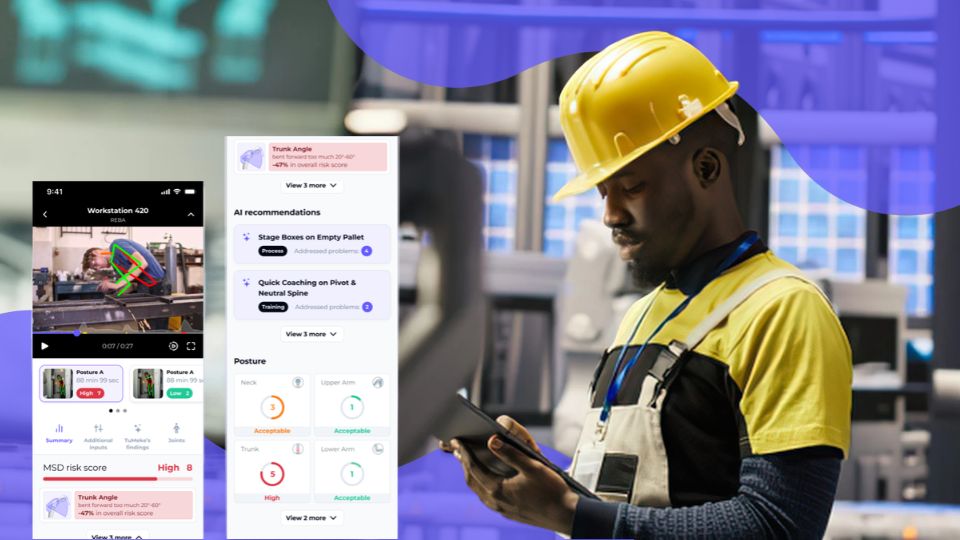
A successful ergonomic assessment software pilot shows that the process can work at one facility. Expanding that success to other locations depends on preparing site champions, the local safety personnel or supervisors responsible for coordinating assessments and putting the software to use at their facilities.
While these employees may know their operations well, they often bring different levels of ergonomics experience and have other responsibilities competing for their time. This article explains how to prepare site champions to conduct useful assessments and apply a consistent approach as the program expands across facilities.
Before assigning site champions, review how assessments were handled during the pilot. Identify who selected tasks, reviewed results, and coordinated improvements when findings required changes to equipment or work processes.
Use those lessons to define what local champions will own and where corporate safety teams will remain involved. Champions might select tasks for assessment, capture video, discuss findings with employees, and coordinate follow-up with supervisors. Corporate EHS teams can retain responsibility for technical oversight and complex ergonomic decisions.
Choose people who understand how work gets done at their facility. A production supervisor or safety coordinator who knows the equipment and has established relationships with employees may be a stronger candidate than someone selected mainly for their comfort with technology.
Champions also need enough time and authority to carry out their responsibilities. Without management support, assessments can easily take a back seat to daily operational demands.
TuMeke's Latham Pools case study provides an example of local ownership. Latham trained champions at individual locations and involved both team leaders and employees, despite having no dedicated ergonomists at its facilities.
Knowing how to record a video and generate a risk score is only part of conducting a useful ergonomic assessment.
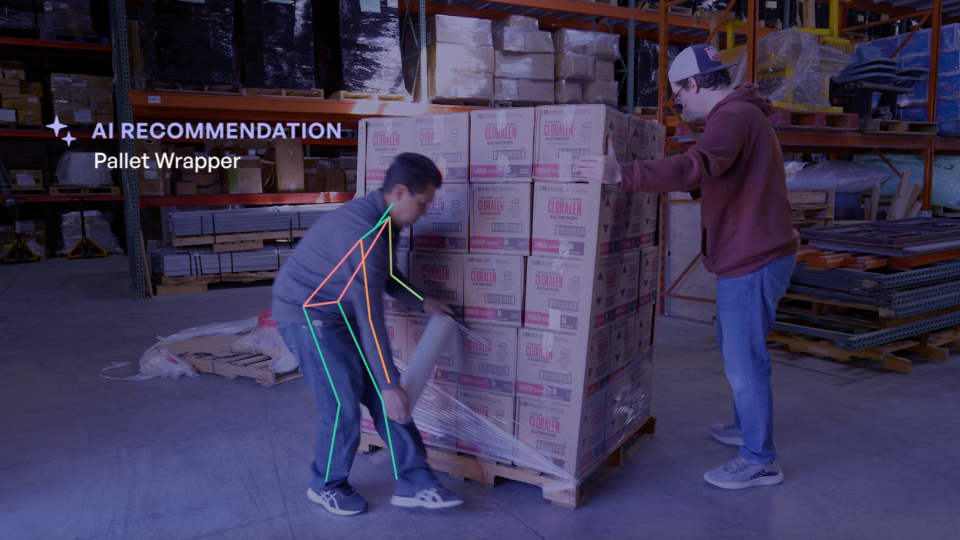
Consider a warehouse employee stacking boxes onto a pallet. A champion records the first few lifts, when the pallet is nearly empty. The software analyzes the movements, but the recording misses the additional reaching required as the pallet fills.
The assessment may accurately analyze the recorded movements without representing the full task. Training should prepare champions to:
Before allowing champions to conduct assessments independently, have them assess an actual task and review the results with a qualified safety professional.
The review should establish whether the champion captured representative working conditions, understands the findings, and can recognize what the assessment might have missed. It should also confirm they know when to request additional expertise.
Use the results to address training gaps and provide targeted feedback.
Once champions are trained, they need a common process to follow. Start with the pilot by documenting how tasks were selected, assessments were conducted, and results were reviewed. Use those practices to establish expectations at other facilities.
Without shared expectations, different locations may develop their own assessment habits. One site might prioritize employee discomfort reports, while another focuses primarily on injury history. Differences in documentation and recording practices can also make findings harder to compare.
To establish a consistent process, define:
These procedures should create consistency in how assessments are conducted while accounting for differences in actual working conditions.
Corporate safety teams should periodically review assessments from different facilities to identify inconsistencies in task selection, documentation, or adherence to the established process. Use those findings to refine procedures and provide targeted coaching.
Training and standardized procedures prepare champions to conduct assessments. Keeping the process working requires ongoing support.
Designate a corporate safety contact or qualified ergonomics resource who can help champions interpret unusual findings and resolve technical questions. Site supervisors also need to give champions enough time to conduct assessments and follow up on results.
Suppose an assessment identifies excessive reaching at a manufacturing workstation. The champion may recognize the problem, but modifying the equipment layout requires engineering input and production approval. Without a clear process for involving those departments, the finding could remain unresolved.
Champions need to know who can authorize improvements and who is responsible for completing them. Establish a process for assigning corrective actions and tracking their progress.
Once an improvement is implemented, champions also need to verify that it reduces the intended exposure. NIOSH recommends evaluating ergonomic interventions to confirm they work and don't introduce new risk factors.
Corporate safety leaders should look beyond assessment counts when evaluating adoption. Review unresolved findings, completed improvements, and recurring questions from site champions. Regular check-ins can help identify where additional training or management involvement is needed.
Preparing site champions is an important part of expanding an ergonomics program. They also need software that makes assessments manageable at the local level while giving corporate safety teams visibility across facilities.
TuMeke's Risk Suite helps organizations scale their ergonomic assessment programs by making it easier to:
Ready to expand your ergonomics program beyond the pilot? Schedule a TuMeke demo to see how Risk Suite can support consistent assessments and measurable improvements across your facilities.
No formal ergonomics certification is generally required to serve as a site champion. TuMeke’s easy-to-use, video-based platform helps champions get started without specialized training or certification. Champions should still receive training appropriate to their responsibilities and have access to qualified professionals when assessments involve complex risks or require specialized evaluation.
Reassess tasks when equipment, work methods, or production conditions change in ways that could affect ergonomic exposure. Reassessments may also be warranted when employees report new concerns or after implementing improvements to verify that risk factors have decreased.
Explain why employees are being recorded and how the footage will be used. TuMeke uses recordings of specific tasks for ergonomic assessments, rather than requiring continuous CCTV monitoring, and offers face blurring to help protect employee privacy. Establish procedures for obtaining any required consent, controlling access, and storing recordings securely. Follow applicable privacy requirements and company policies across all facilities.





A successful ergonomic assessment software pilot shows that the process can work at one facility. Expanding that success to other locations depends on preparing site champions, the local safety personnel or supervisors responsible for coordinating assessments and putting the software to use at their facilities.
While these employees may know their operations well, they often bring different levels of ergonomics experience and have other responsibilities competing for their time. This article explains how to prepare site champions to conduct useful assessments and apply a consistent approach as the program expands across facilities.
Before assigning site champions, review how assessments were handled during the pilot. Identify who selected tasks, reviewed results, and coordinated improvements when findings required changes to equipment or work processes.
Use those lessons to define what local champions will own and where corporate safety teams will remain involved. Champions might select tasks for assessment, capture video, discuss findings with employees, and coordinate follow-up with supervisors. Corporate EHS teams can retain responsibility for technical oversight and complex ergonomic decisions.
Choose people who understand how work gets done at their facility. A production supervisor or safety coordinator who knows the equipment and has established relationships with employees may be a stronger candidate than someone selected mainly for their comfort with technology.
Champions also need enough time and authority to carry out their responsibilities. Without management support, assessments can easily take a back seat to daily operational demands.
TuMeke's Latham Pools case study provides an example of local ownership. Latham trained champions at individual locations and involved both team leaders and employees, despite having no dedicated ergonomists at its facilities.
Knowing how to record a video and generate a risk score is only part of conducting a useful ergonomic assessment.
Consider a warehouse employee stacking boxes onto a pallet. A champion records the first few lifts, when the pallet is nearly empty. The software analyzes the movements, but the recording misses the additional reaching required as the pallet fills.
The assessment may accurately analyze the recorded movements without representing the full task. Training should prepare champions to:
Before allowing champions to conduct assessments independently, have them assess an actual task and review the results with a qualified safety professional.
The review should establish whether the champion captured representative working conditions, understands the findings, and can recognize what the assessment might have missed. It should also confirm they know when to request additional expertise.
Use the results to address training gaps and provide targeted feedback.
Once champions are trained, they need a common process to follow. Start with the pilot by documenting how tasks were selected, assessments were conducted, and results were reviewed. Use those practices to establish expectations at other facilities.
Without shared expectations, different locations may develop their own assessment habits. One site might prioritize employee discomfort reports, while another focuses primarily on injury history. Differences in documentation and recording practices can also make findings harder to compare.
To establish a consistent process, define:
These procedures should create consistency in how assessments are conducted while accounting for differences in actual working conditions.
Corporate safety teams should periodically review assessments from different facilities to identify inconsistencies in task selection, documentation, or adherence to the established process. Use those findings to refine procedures and provide targeted coaching.
Training and standardized procedures prepare champions to conduct assessments. Keeping the process working requires ongoing support.
Designate a corporate safety contact or qualified ergonomics resource who can help champions interpret unusual findings and resolve technical questions. Site supervisors also need to give champions enough time to conduct assessments and follow up on results.
Suppose an assessment identifies excessive reaching at a manufacturing workstation. The champion may recognize the problem, but modifying the equipment layout requires engineering input and production approval. Without a clear process for involving those departments, the finding could remain unresolved.
Champions need to know who can authorize improvements and who is responsible for completing them. Establish a process for assigning corrective actions and tracking their progress.
Once an improvement is implemented, champions also need to verify that it reduces the intended exposure. NIOSH recommends evaluating ergonomic interventions to confirm they work and don't introduce new risk factors.
Corporate safety leaders should look beyond assessment counts when evaluating adoption. Review unresolved findings, completed improvements, and recurring questions from site champions. Regular check-ins can help identify where additional training or management involvement is needed.
Preparing site champions is an important part of expanding an ergonomics program. They also need software that makes assessments manageable at the local level while giving corporate safety teams visibility across facilities.
TuMeke's Risk Suite helps organizations scale their ergonomic assessment programs by making it easier to:
Ready to expand your ergonomics program beyond the pilot? Schedule a TuMeke demo to see how Risk Suite can support consistent assessments and measurable improvements across your facilities.
No formal ergonomics certification is generally required to serve as a site champion. TuMeke’s easy-to-use, video-based platform helps champions get started without specialized training or certification. Champions should still receive training appropriate to their responsibilities and have access to qualified professionals when assessments involve complex risks or require specialized evaluation.
Reassess tasks when equipment, work methods, or production conditions change in ways that could affect ergonomic exposure. Reassessments may also be warranted when employees report new concerns or after implementing improvements to verify that risk factors have decreased.
Explain why employees are being recorded and how the footage will be used. TuMeke uses recordings of specific tasks for ergonomic assessments, rather than requiring continuous CCTV monitoring, and offers face blurring to help protect employee privacy. Establish procedures for obtaining any required consent, controlling access, and storing recordings securely. Follow applicable privacy requirements and company policies across all facilities.