


Prueba gratuita de 14 días
Realice evaluaciones ergonómicas ilimitadas durante dos semanas. Todo lo que necesitas es tu teléfono.

Durante años, las evaluaciones ergonómicas han ayudado a los equipos de seguridad a identificar dónde existen riesgos. Pero encontrar el riesgo es solo la primera parte del trabajo. La siguiente pregunta suele ser más difícil: ¿qué debemos hacer al respecto?
A veces, la respuesta es cambiar una estación de trabajo, comprar equipo nuevo, ajustar un proceso o rediseñar la tarea. Esos cambios son importantes, pero podría tomar tiempo evaluarlos e implementarlos.
También existe una oportunidad inmediata. Cuando un evaluador ve a un trabajador estirándose demasiado, girando mientras manipula una carga o levantando objetos desde una posición inestable, debería poder explicar qué sucedió y ayudar al trabajador a entender cómo se podría mejorar el movimiento.
Es por eso que creamos TuMeke Coaching Cues (Claves para la capacitación).
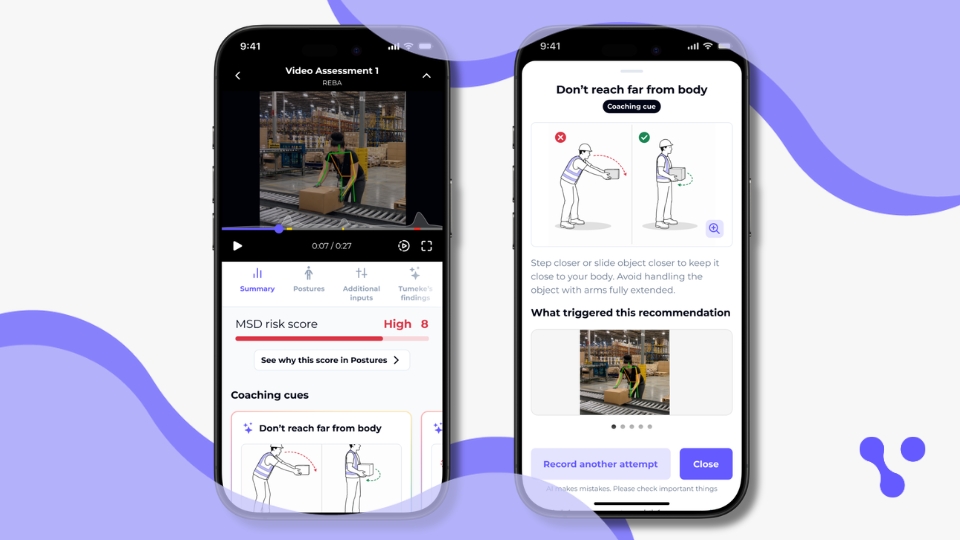
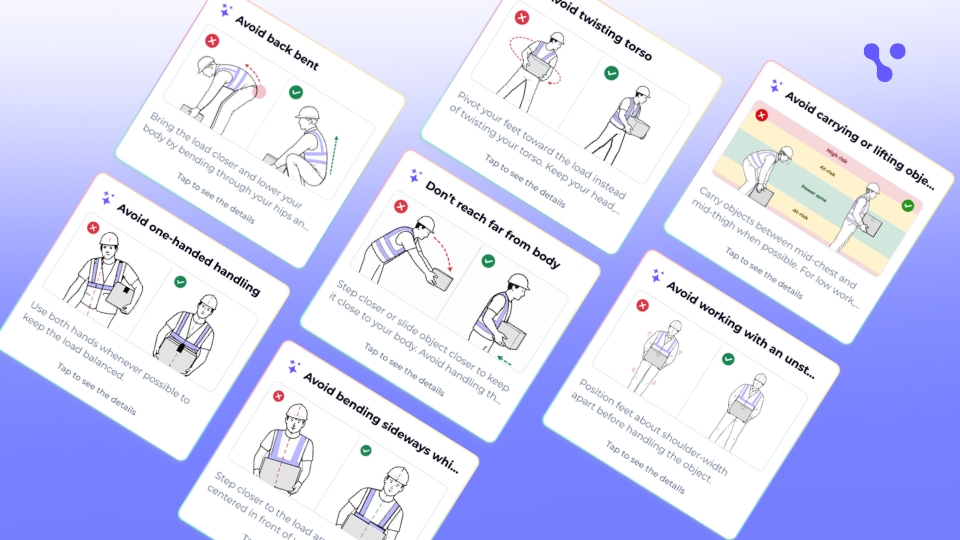
Coaching Cues son tarjetas de capacitación impulsadas por IA integradas directamente en los resultados de las evaluaciones de TuMeke.
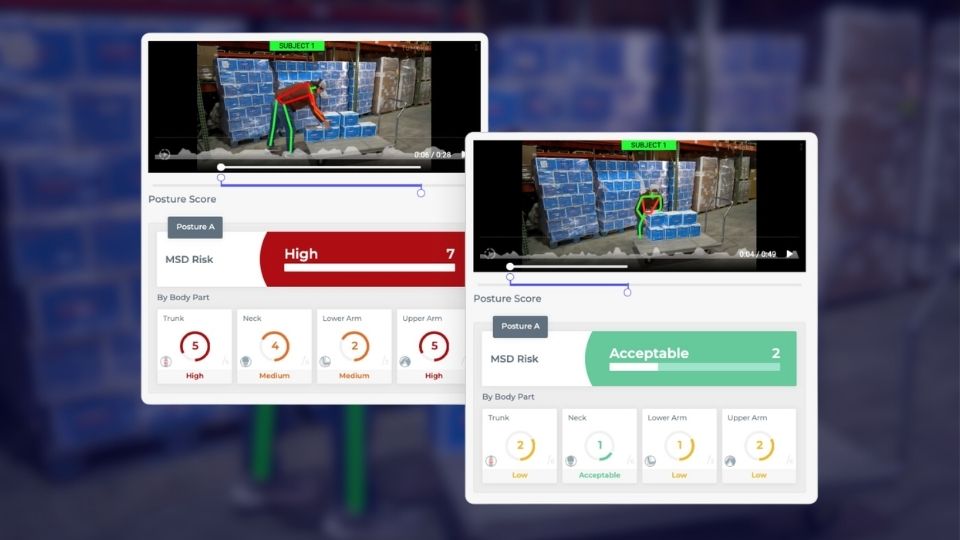
Mediante visión computarizada, TuMeke analiza el movimiento del trabajador a partir de videos mientras hace su trabajo e identifica los movimientos y condiciones de la tarea que contribuyen al riesgo ergonómico.
Cuando una evaluación de TuMeke detecta un problema de movimiento o manipulación, la sección de Coaching Cues aparece automáticamente en los resultados.
Cada Coaching Cue incluye:
Esto permite que el evaluador pase de un hallazgo general, como un riesgo elevado al hacer un levantamiento, a una conversación mucho más útil sobre la postura, alcance, posición del torso o colocación de la carga del trabajador.
Los Coaching Cues son especialmente valiosos en el campo, y la aplicación móvil de TuMeke hace que esa experiencia sea posible donde sea que se lleva a cabo el trabajo.
Los evaluadores pueden capturar una tarea, ejecutar la evaluación y revisar Coaching Cues directamente desde un teléfono o tableta mientras aún están con el trabajador. No hay necesidad de regresar a un escritorio, cambiar a otro sistema o esperar para preparar un informe.
Esto es importante porque el mejor momento para hablar sobre el movimiento suele ser justo después de llevar a cabo la tarea en cuestión. El contexto sigue presente, el trabajador recuerda el movimiento y el evaluador puede mostrar de inmediato los momentos específicos del video que propiciaron esa recomendación.
Desde el mismo flujo de trabajo móvil, los evaluadores pueden mostrar lo que ocurrió, demostrar una mejor técnica y brindar asesoramiento práctico en el momento.
El objetivo no es abrumar a los trabajadores con terminología ergonómica. Es hacer que el hallazgo sea fácil de ver, fácil de entender y más sencillo de aplicar.
También queríamos que Coaching Cues se adaptara de forma natural a la manera en que los clientes ya utilizan TuMeke.
No hay ninguna aplicación adicional que descargar, ni configuraciones extra que hacer, ni nuevos análisis que ejecutar. Coaching Cues aparece automáticamente dentro de los resultados de la evaluación cuando TuMeke detecta un problema.
Para los equipos de seguridad que ya se encargan de flujos de trabajo exigentes, esto es fundamental. Estas nuevas capacidades generan mayor valor cuando hacen que los procesos de trabajo existentes sean más útiles, no más complicados.
Coaching Cues no busca cargar toda la responsabilidad del riesgo ergonómico en el trabajador.
La técnica de movimiento es importante, pero es solo una parte de un sistema más complejo. El diseño del puesto de trabajo, las herramientas, cargas, proceso de producción, ritmo y entorno pueden afectar la forma en que se realiza el trabajo.
Es por eso que Coaching Cues complementa las recomendaciones de IA más amplias de TuMeke para mejorar el lugar de trabajo y las tareas.
Un equipo podría usar Coaching Cues para ayudar a los trabajadores a mantener una carga más cerca del cuerpo hoy, mientras evalúa si el diseño del puesto de trabajo debería cambiar para reducir la necesidad de estirarse en primera instancia.
Los programas de ergonomía más sólidos abordan ambos aspectos.
Nuestro objetivo en TuMeke siempre ha sido convertir el análisis ergonómico sofisticado en un proceso más rápido, sencillo y útil.
La visión computarizada impulsada por IA permite a los equipos comprender el movimiento de los trabajadores sin necesidad de dispositivos vestibles, sensores o entradas manuales que exigen mucho tiempo. Coaching Cues lleva ese análisis un paso más allá al hacer que los hallazgos sean más fáciles de entender, explicar y aplicar.
Los equipos pueden ver lo que sucedió, entender qué provocó el hallazgo y brindar orientación práctica mientras la plática del trabajo sigue vigente.
Una evaluación ergonómica no debería solo indicarle dónde existe el riesgo. Debería ayudarle a hacer el trabajo más seguro.
¿Listo para ver Coaching Cues en acción? Comience su prueba gratuita de 14 días de TuMeke hoy mismo, solicite una demostración, o regístrese para nuestro próximo seminario web y conozca más de cerca cómo funciona.
%201.svg)


.jpg)

.jpg)

Durante años, las evaluaciones ergonómicas han ayudado a los equipos de seguridad a identificar dónde existen riesgos. Pero encontrar el riesgo es solo la primera parte del trabajo. La siguiente pregunta suele ser más difícil: ¿qué debemos hacer al respecto?
A veces, la respuesta es cambiar una estación de trabajo, comprar equipo nuevo, ajustar un proceso o rediseñar la tarea. Esos cambios son importantes, pero podría tomar tiempo evaluarlos e implementarlos.
También existe una oportunidad inmediata. Cuando un evaluador ve a un trabajador estirándose demasiado, girando mientras manipula una carga o levantando objetos desde una posición inestable, debería poder explicar qué sucedió y ayudar al trabajador a entender cómo se podría mejorar el movimiento.
Es por eso que creamos TuMeke Coaching Cues (Claves para la capacitación).
Coaching Cues son tarjetas de capacitación impulsadas por IA integradas directamente en los resultados de las evaluaciones de TuMeke.
Mediante visión computarizada, TuMeke analiza el movimiento del trabajador a partir de videos mientras hace su trabajo e identifica los movimientos y condiciones de la tarea que contribuyen al riesgo ergonómico.
Cuando una evaluación de TuMeke detecta un problema de movimiento o manipulación, la sección de Coaching Cues aparece automáticamente en los resultados.
Cada Coaching Cue incluye:
Esto permite que el evaluador pase de un hallazgo general, como un riesgo elevado al hacer un levantamiento, a una conversación mucho más útil sobre la postura, alcance, posición del torso o colocación de la carga del trabajador.
Los Coaching Cues son especialmente valiosos en el campo, y la aplicación móvil de TuMeke hace que esa experiencia sea posible donde sea que se lleva a cabo el trabajo.
Los evaluadores pueden capturar una tarea, ejecutar la evaluación y revisar Coaching Cues directamente desde un teléfono o tableta mientras aún están con el trabajador. No hay necesidad de regresar a un escritorio, cambiar a otro sistema o esperar para preparar un informe.
Esto es importante porque el mejor momento para hablar sobre el movimiento suele ser justo después de llevar a cabo la tarea en cuestión. El contexto sigue presente, el trabajador recuerda el movimiento y el evaluador puede mostrar de inmediato los momentos específicos del video que propiciaron esa recomendación.
Desde el mismo flujo de trabajo móvil, los evaluadores pueden mostrar lo que ocurrió, demostrar una mejor técnica y brindar asesoramiento práctico en el momento.
El objetivo no es abrumar a los trabajadores con terminología ergonómica. Es hacer que el hallazgo sea fácil de ver, fácil de entender y más sencillo de aplicar.
También queríamos que Coaching Cues se adaptara de forma natural a la manera en que los clientes ya utilizan TuMeke.
No hay ninguna aplicación adicional que descargar, ni configuraciones extra que hacer, ni nuevos análisis que ejecutar. Coaching Cues aparece automáticamente dentro de los resultados de la evaluación cuando TuMeke detecta un problema.
Para los equipos de seguridad que ya se encargan de flujos de trabajo exigentes, esto es fundamental. Estas nuevas capacidades generan mayor valor cuando hacen que los procesos de trabajo existentes sean más útiles, no más complicados.
Coaching Cues no busca cargar toda la responsabilidad del riesgo ergonómico en el trabajador.
La técnica de movimiento es importante, pero es solo una parte de un sistema más complejo. El diseño del puesto de trabajo, las herramientas, cargas, proceso de producción, ritmo y entorno pueden afectar la forma en que se realiza el trabajo.
Es por eso que Coaching Cues complementa las recomendaciones de IA más amplias de TuMeke para mejorar el lugar de trabajo y las tareas.
Un equipo podría usar Coaching Cues para ayudar a los trabajadores a mantener una carga más cerca del cuerpo hoy, mientras evalúa si el diseño del puesto de trabajo debería cambiar para reducir la necesidad de estirarse en primera instancia.
Los programas de ergonomía más sólidos abordan ambos aspectos.
Nuestro objetivo en TuMeke siempre ha sido convertir el análisis ergonómico sofisticado en un proceso más rápido, sencillo y útil.
La visión computarizada impulsada por IA permite a los equipos comprender el movimiento de los trabajadores sin necesidad de dispositivos vestibles, sensores o entradas manuales que exigen mucho tiempo. Coaching Cues lleva ese análisis un paso más allá al hacer que los hallazgos sean más fáciles de entender, explicar y aplicar.
Los equipos pueden ver lo que sucedió, entender qué provocó el hallazgo y brindar orientación práctica mientras la plática del trabajo sigue vigente.
Una evaluación ergonómica no debería solo indicarle dónde existe el riesgo. Debería ayudarle a hacer el trabajo más seguro.
¿Listo para ver Coaching Cues en acción? Comience su prueba gratuita de 14 días de TuMeke hoy mismo, solicite una demostración, o regístrese para nuestro próximo seminario web y conozca más de cerca cómo funciona.
.jpg)