


Prueba gratuita de 14 días
Realice evaluaciones ergonómicas ilimitadas durante dos semanas. Todo lo que necesitas es tu teléfono.

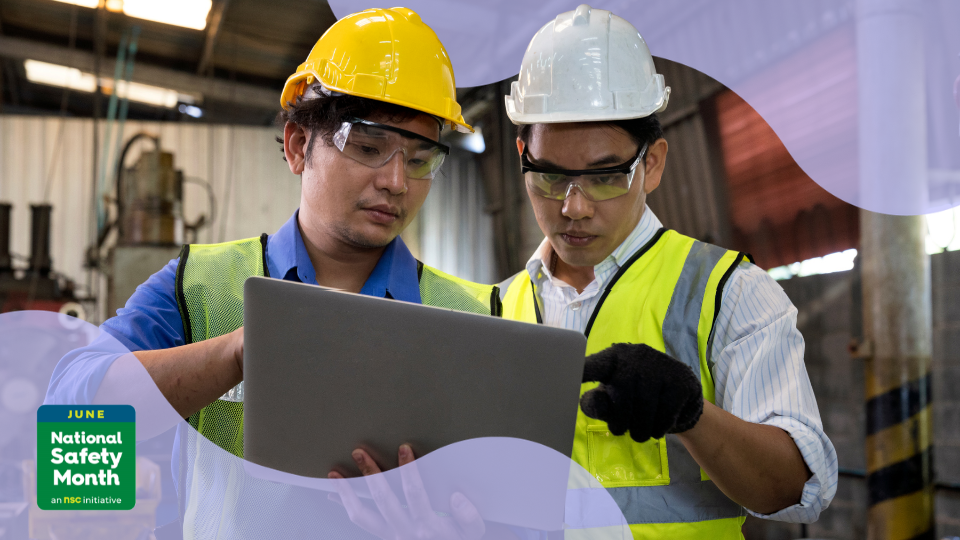
Una bitácora de lesiones vacía puede hacer que un trabajo difícil parezca aceptable hasta que alguien inevitablemente se lesiona la espalda, reporta dolor de hombro o presenta un reclamo de indemnización laboral. Estas son las consecuencias de esperar a que los datos de lesiones demuestren lo que los trabajadores y supervisores ya podrían observar en el lugar de trabajo.
Para el Mes Nacional de la Seguridad, la Semana 1 se centra en "Impulsar la seguridad". Para los líderes de seguridad y operaciones, eso significa pasar de la revisión reactiva de lesiones a la identificación temprana de riesgos a nivel de tarea. El objetivo práctico es simple: encontrar, medir y actuar sobre la exposición antes de que el registro de la OSHA, los datos de indemnización laboral o los casos de tiempo perdido muestren el panorama completo cuando ya es demasiado tarde.
Los datos de lesiones por sí solos ayudan a los equipos a comprender lo que ya sucedió. Es una herramienta deficiente para detectar exposiciones que aún no han producido un caso registrable.
La OSHA hace esta distinción en su guía de evaluación y mejora de programas, que establece que los programas de seguridad deben utilizar indicadores rezagados y adelantados. Los indicadores rezagados rastrean eventos que ya ocurrieron. Los indicadores adelantados rastrean pasos, condiciones o actividades que pueden ayudar a prevenir lesiones antes de que ocurran.
Esa diferencia importa en un piso con operaciones ajetreadas. Un equipo de almacén podría no tener lesiones de espalda recientes, pero los trabajadores aún podrían estar manejando cargas incómodas desde tarimas bajas durante la mitad del turno. Una línea de empaque podría no tener casos de lesiones de hombro con tiempo perdido, pero los operadores podrían estar estirándose por encima de la banda transportadora cientos de veces al día.
Los datos de lesiones más amplios muestran por qué la visibilidad temprana sigue siendo importante. Según datos de lesiones y enfermedades laborales del BLS, los empleadores de la industria privada reportaron 2,488,400 casos de lesiones y enfermedades no fatales en 2024. El NSC también informa que el sector privado tuvo 937,620 casos DART (días fuera del trabajo, restringidos o transferidos) por trastornos musculoesqueléticos (TME) en 2023-2024 en su informe sobre lesiones musculoesqueléticas.
Estas cifras deben recordarles a los líderes de seguridad que la prevención no puede depender únicamente de los datos de resultados. Si la primera señal clara es una distensión, esguince, restricción o reclamo, el programa ya está siendo reactivo, no proactivo.
Las primeras señales de advertencia ergonómicas suelen aparecer en el trabajo antes de que se reflejen en las métricas. Los trabajadores ajustan la forma en que levantan objetos. Los supervisores notan que las personas rotan de una tarea a otra antes de tiempo. Los casos de primeros auxilios se repiten en un departamento. Un trabajo funciona bien durante una observación breve, pero se vuelve difícil durante la producción máxima.
La guía de participación de los trabajadores dice que los trabajadores suelen estar en una posición ideal para identificar peligros emergentes, situaciones de riesgo, condiciones inseguras y deficiencias en los programas. Esto es especialmente cierto para el riesgo ergonómico, ya que los trabajadores sienten la tensión antes de que la hoja de cálculo muestre una tendencia.
Las señales tempranas útiles incluyen:

El error es tratar estas señales como comentarios sin fundamento. Un informe de malestar que se queda en un cuaderno no hará avanzar el tema de seguridad. La preocupación de un supervisor necesita un camino hacia la evaluación, priorización y seguimiento.
El riesgo ergonómico suele ser fácil de subestimar porque el trabajo parece normal. El levantamiento, un alcance, tirón o flexión pueden no parecer graves si se hacen una sola vez. La exposición se acumula cuando ese movimiento se repite a lo largo de un turno, bajo presión, con un agarre deficiente, una altura incómoda o una recuperación limitada.
La descripción general de la ergonomía identifica como factores de riesgo el levantamiento de objetos pesados, la flexión, el alcance por encima de la cabeza, el empuje, el tirón, las posturas incómodas y las tareas repetitivas. La OSHA también señala que los TME relacionados con el trabajo se pueden prevenir y que la ergonomía debe ser parte de las operaciones diarias en lugar de un esfuerzo único.
Ahí es donde el juicio en campo es importante. Si un equipo revisa una estación de empaque durante un ciclo lento y limpio, el trabajo puede parecer aceptable. Durante los picos de demanda, el trabajador podría estirarse más, manejar paquetes de diferentes tamaños, girar con más frecuencia u omitir pausas frecuentes para mantener el ritmo.
Los elementos de los programas de ergonomía del NIOSH también enmarcan la ergonomía como un proceso práctico para identificar y corregir deficiencias. Ese proceso necesita más que una observación única. Necesita una forma de ver la tarea tal como se realiza, evaluar la exposición y decidir qué cambiar.
El caso de negocio también es real. El Índice de Seguridad Laboral 2025 de Liberty Mutual enumera el sobreesfuerzo por fuentes externas como la principal causa de costos de lesiones laborales graves, con $13.7 mil millones de dólares. Eso no significa que cada tarea manual sea de alto riesgo. Lo que sí significa es que el manejo manual de materiales merece más que una rápida revisión visual.
Una mayor visibilidad solo ayuda cuando esta se convierte en una decisión. Si el equipo ve un movimiento riesgoso pero no puede documentarlo, compararlo, asignar responsabilidades o verificar la solución, la preocupación sigue siendo solo eso, información.
Un flujo de trabajo simple pueden asegurar que el proceso sea práctico:
Aquí es donde los programas suelen fallar. El equipo identifica una preocupación, pero el siguiente paso depende de la memoria de alguien, de una nota de reunión o de la disponibilidad de un supervisor. El problema puede permanecer hasta que una lesión obligue a actuar con urgencia.
La guía de evaluación de programas de la OSHA recomienda el seguimiento de objetivos, metas e indicadores. En la práctica, esto significa que los equipos de seguridad no deben limitarse a decir "revisamos la tarea". Deben preguntarse qué cambió después de la revisión y si el cambio redujo la exposición.
Una vez que los equipos saben dónde aparecen las señales de alerta temprana, el siguiente desafío es convertir esa información en algo que puedan evaluar, comparar y sobre lo que puedan actuar.
Los equipos de seguridad necesitan una forma más rápida y consistente de evaluar el riesgo ergonómico en el trabajo real. Ahí es donde TuMeke ayuda a impulsar la seguridad.
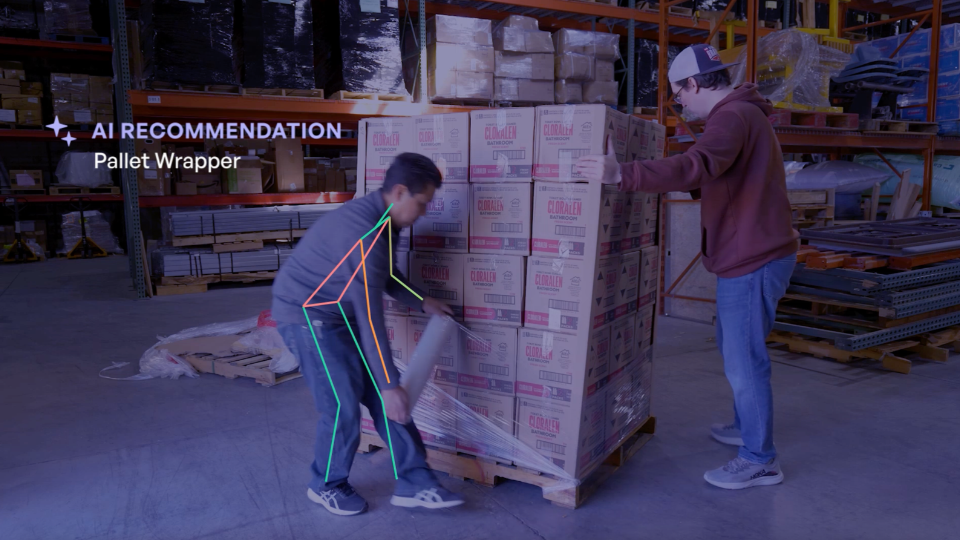
La Suite de Riesgos de TuMeke es una plataforma de evaluación ergonómica basada en video que utiliza IA y visión computarizada para analizar el movimiento a partir de videos 2D. La plataforma considera las posiciones de las articulaciones, la repetición de movimientos y la duración de la exposición al riesgo, permitiendo a los equipos generar informes y revisar paneles de control en diferentes sitios y trabajos.
Para los líderes de seguridad que buscan pasar de la preocupación a la acción, los beneficios son considerables:
TuMeke ayuda a los equipos a ver la tarea con mayor claridad, evaluar la exposición ergonómica de manera más consistente y priorizar las mejoras antes de que la tensión se convierta en lesión.
Comience su prueba gratuita hoy mismo y descubra cómo TuMeke ayuda a los equipos de seguridad a identificar el riesgo ergonómico con antelación, estandarizar las evaluaciones y priorizar las soluciones antes de que la tensión se convierta en lesión.
Los ejemplos incluyen informes de incomodidad, casos repetidos de primeros auxilios, movimientos de alto riesgo observados durante las tareas, retroalimentación de los trabajadores, cuasi accidentes, acciones correctivas inconclusas y trabajos con manejo manual frecuente. La guía de evaluación de programas de la OSHA recomienda el uso de indicadores adelantados para guiar la actividades de prevención antes de que ocurran las lesiones.
Comience con una tarea de alta exposición. Elija un trabajo con manejo repetitivo, alcance incómodo, esfuerzo forzado o quejas repetidas. Hable con los trabajadores, observe la tarea a un ritmo normal, documente la exposición, elija una mejora práctica y vuelva a verificar la tarea después del cambio. Una revisión pequeña y enfocada es mejor que una campaña amplia a la que no se le da seguimiento.
El riesgo ergonómico se suele acumular con el tiempo. Un levantamiento, alcance o flexión podría parecer manejable, pero la repetición, duración, fuerza, ritmo y posturas incómodas pueden acumular esta exposición a lo largo del turno. La guía de ergonomía de la OSHA destaca este tipo de factores de riesgo y fomenta un proceso ergonómico continuo.
No. Los ergonomistas y líderes de seguridad siguen desempeñando un papel fundamental en la evaluación del trabajo, la selección de controles, la participación de los trabajadores y la confirmación de si los cambios mejoraron realmente la tarea. TuMeke está diseñado para ayudar a los equipos de seguridad a acelerar y escalar sus programas de ergonomía al apoyar la evaluación, documentación, priorización y seguimiento de los mismos. Dado que no requiere una profunda experiencia en ergonomía para su uso, también ayuda a otros profesionales de la seguridad a identificar con confianza los riesgos ergonómicos y a aportar información más clara a su equipo.
%201.svg)



.jpg)
.jpg)

Una bitácora de lesiones vacía puede hacer que un trabajo difícil parezca aceptable hasta que alguien inevitablemente se lesiona la espalda, reporta dolor de hombro o presenta un reclamo de indemnización laboral. Estas son las consecuencias de esperar a que los datos de lesiones demuestren lo que los trabajadores y supervisores ya podrían observar en el lugar de trabajo.
Para el Mes Nacional de la Seguridad, la Semana 1 se centra en "Impulsar la seguridad". Para los líderes de seguridad y operaciones, eso significa pasar de la revisión reactiva de lesiones a la identificación temprana de riesgos a nivel de tarea. El objetivo práctico es simple: encontrar, medir y actuar sobre la exposición antes de que el registro de la OSHA, los datos de indemnización laboral o los casos de tiempo perdido muestren el panorama completo cuando ya es demasiado tarde.
Los datos de lesiones por sí solos ayudan a los equipos a comprender lo que ya sucedió. Es una herramienta deficiente para detectar exposiciones que aún no han producido un caso registrable.
La OSHA hace esta distinción en su guía de evaluación y mejora de programas, que establece que los programas de seguridad deben utilizar indicadores rezagados y adelantados. Los indicadores rezagados rastrean eventos que ya ocurrieron. Los indicadores adelantados rastrean pasos, condiciones o actividades que pueden ayudar a prevenir lesiones antes de que ocurran.
Esa diferencia importa en un piso con operaciones ajetreadas. Un equipo de almacén podría no tener lesiones de espalda recientes, pero los trabajadores aún podrían estar manejando cargas incómodas desde tarimas bajas durante la mitad del turno. Una línea de empaque podría no tener casos de lesiones de hombro con tiempo perdido, pero los operadores podrían estar estirándose por encima de la banda transportadora cientos de veces al día.
Los datos de lesiones más amplios muestran por qué la visibilidad temprana sigue siendo importante. Según datos de lesiones y enfermedades laborales del BLS, los empleadores de la industria privada reportaron 2,488,400 casos de lesiones y enfermedades no fatales en 2024. El NSC también informa que el sector privado tuvo 937,620 casos DART (días fuera del trabajo, restringidos o transferidos) por trastornos musculoesqueléticos (TME) en 2023-2024 en su informe sobre lesiones musculoesqueléticas.
Estas cifras deben recordarles a los líderes de seguridad que la prevención no puede depender únicamente de los datos de resultados. Si la primera señal clara es una distensión, esguince, restricción o reclamo, el programa ya está siendo reactivo, no proactivo.
Las primeras señales de advertencia ergonómicas suelen aparecer en el trabajo antes de que se reflejen en las métricas. Los trabajadores ajustan la forma en que levantan objetos. Los supervisores notan que las personas rotan de una tarea a otra antes de tiempo. Los casos de primeros auxilios se repiten en un departamento. Un trabajo funciona bien durante una observación breve, pero se vuelve difícil durante la producción máxima.
La guía de participación de los trabajadores dice que los trabajadores suelen estar en una posición ideal para identificar peligros emergentes, situaciones de riesgo, condiciones inseguras y deficiencias en los programas. Esto es especialmente cierto para el riesgo ergonómico, ya que los trabajadores sienten la tensión antes de que la hoja de cálculo muestre una tendencia.
Las señales tempranas útiles incluyen:
El error es tratar estas señales como comentarios sin fundamento. Un informe de malestar que se queda en un cuaderno no hará avanzar el tema de seguridad. La preocupación de un supervisor necesita un camino hacia la evaluación, priorización y seguimiento.
El riesgo ergonómico suele ser fácil de subestimar porque el trabajo parece normal. El levantamiento, un alcance, tirón o flexión pueden no parecer graves si se hacen una sola vez. La exposición se acumula cuando ese movimiento se repite a lo largo de un turno, bajo presión, con un agarre deficiente, una altura incómoda o una recuperación limitada.
La descripción general de la ergonomía identifica como factores de riesgo el levantamiento de objetos pesados, la flexión, el alcance por encima de la cabeza, el empuje, el tirón, las posturas incómodas y las tareas repetitivas. La OSHA también señala que los TME relacionados con el trabajo se pueden prevenir y que la ergonomía debe ser parte de las operaciones diarias en lugar de un esfuerzo único.
Ahí es donde el juicio en campo es importante. Si un equipo revisa una estación de empaque durante un ciclo lento y limpio, el trabajo puede parecer aceptable. Durante los picos de demanda, el trabajador podría estirarse más, manejar paquetes de diferentes tamaños, girar con más frecuencia u omitir pausas frecuentes para mantener el ritmo.
Los elementos de los programas de ergonomía del NIOSH también enmarcan la ergonomía como un proceso práctico para identificar y corregir deficiencias. Ese proceso necesita más que una observación única. Necesita una forma de ver la tarea tal como se realiza, evaluar la exposición y decidir qué cambiar.
El caso de negocio también es real. El Índice de Seguridad Laboral 2025 de Liberty Mutual enumera el sobreesfuerzo por fuentes externas como la principal causa de costos de lesiones laborales graves, con $13.7 mil millones de dólares. Eso no significa que cada tarea manual sea de alto riesgo. Lo que sí significa es que el manejo manual de materiales merece más que una rápida revisión visual.
Una mayor visibilidad solo ayuda cuando esta se convierte en una decisión. Si el equipo ve un movimiento riesgoso pero no puede documentarlo, compararlo, asignar responsabilidades o verificar la solución, la preocupación sigue siendo solo eso, información.
Un flujo de trabajo simple pueden asegurar que el proceso sea práctico:
Aquí es donde los programas suelen fallar. El equipo identifica una preocupación, pero el siguiente paso depende de la memoria de alguien, de una nota de reunión o de la disponibilidad de un supervisor. El problema puede permanecer hasta que una lesión obligue a actuar con urgencia.
La guía de evaluación de programas de la OSHA recomienda el seguimiento de objetivos, metas e indicadores. En la práctica, esto significa que los equipos de seguridad no deben limitarse a decir "revisamos la tarea". Deben preguntarse qué cambió después de la revisión y si el cambio redujo la exposición.
Una vez que los equipos saben dónde aparecen las señales de alerta temprana, el siguiente desafío es convertir esa información en algo que puedan evaluar, comparar y sobre lo que puedan actuar.
Los equipos de seguridad necesitan una forma más rápida y consistente de evaluar el riesgo ergonómico en el trabajo real. Ahí es donde TuMeke ayuda a impulsar la seguridad.
La Suite de Riesgos de TuMeke es una plataforma de evaluación ergonómica basada en video que utiliza IA y visión computarizada para analizar el movimiento a partir de videos 2D. La plataforma considera las posiciones de las articulaciones, la repetición de movimientos y la duración de la exposición al riesgo, permitiendo a los equipos generar informes y revisar paneles de control en diferentes sitios y trabajos.
Para los líderes de seguridad que buscan pasar de la preocupación a la acción, los beneficios son considerables:
TuMeke ayuda a los equipos a ver la tarea con mayor claridad, evaluar la exposición ergonómica de manera más consistente y priorizar las mejoras antes de que la tensión se convierta en lesión.
Comience su prueba gratuita hoy mismo y descubra cómo TuMeke ayuda a los equipos de seguridad a identificar el riesgo ergonómico con antelación, estandarizar las evaluaciones y priorizar las soluciones antes de que la tensión se convierta en lesión.
Los ejemplos incluyen informes de incomodidad, casos repetidos de primeros auxilios, movimientos de alto riesgo observados durante las tareas, retroalimentación de los trabajadores, cuasi accidentes, acciones correctivas inconclusas y trabajos con manejo manual frecuente. La guía de evaluación de programas de la OSHA recomienda el uso de indicadores adelantados para guiar la actividades de prevención antes de que ocurran las lesiones.
Comience con una tarea de alta exposición. Elija un trabajo con manejo repetitivo, alcance incómodo, esfuerzo forzado o quejas repetidas. Hable con los trabajadores, observe la tarea a un ritmo normal, documente la exposición, elija una mejora práctica y vuelva a verificar la tarea después del cambio. Una revisión pequeña y enfocada es mejor que una campaña amplia a la que no se le da seguimiento.
El riesgo ergonómico se suele acumular con el tiempo. Un levantamiento, alcance o flexión podría parecer manejable, pero la repetición, duración, fuerza, ritmo y posturas incómodas pueden acumular esta exposición a lo largo del turno. La guía de ergonomía de la OSHA destaca este tipo de factores de riesgo y fomenta un proceso ergonómico continuo.
No. Los ergonomistas y líderes de seguridad siguen desempeñando un papel fundamental en la evaluación del trabajo, la selección de controles, la participación de los trabajadores y la confirmación de si los cambios mejoraron realmente la tarea. TuMeke está diseñado para ayudar a los equipos de seguridad a acelerar y escalar sus programas de ergonomía al apoyar la evaluación, documentación, priorización y seguimiento de los mismos. Dado que no requiere una profunda experiencia en ergonomía para su uso, también ayuda a otros profesionales de la seguridad a identificar con confianza los riesgos ergonómicos y a aportar información más clara a su equipo.