


Prueba gratuita de 14 días
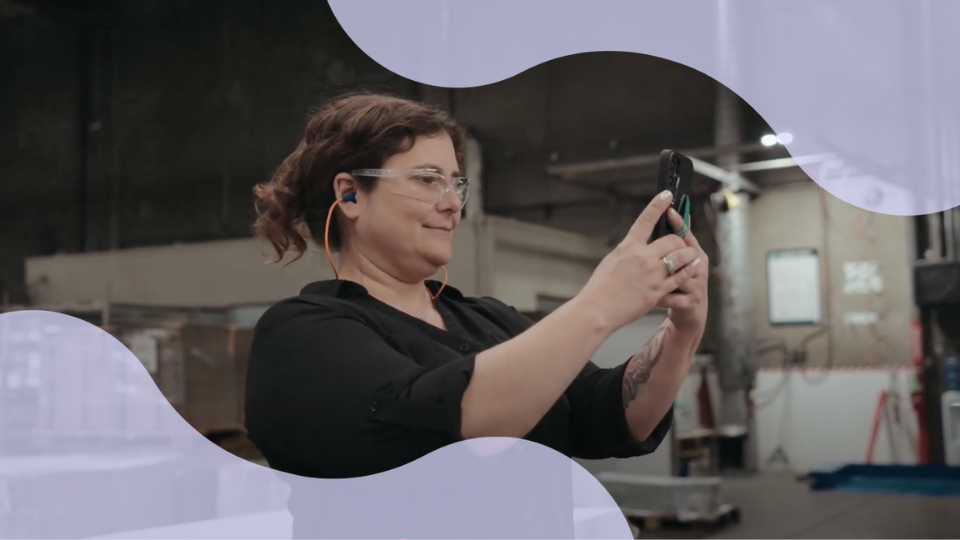
Realice evaluaciones ergonómicas ilimitadas durante dos semanas. Todo lo que necesitas es tu teléfono.

.png)
Ideas clave
Las lesiones ergonómicas no son eventos aleatorios. Provienen de riesgos específicos y medibles, como levantar objetos, girar y repetir. Estos riesgos pueden detectarse temprano y reducirse antes de que provoquen casos registrables, pérdidas de tiempo laboral o reclamos costosos. Un verdadero programa de ergonomía no espera a que las lesiones demuestren el punto. En cambio, utiliza herramientas comprobadas, datos a nivel de movimiento y pasos proactivos para evitar que ocurran en primer lugar.
Ya que los riesgos ergonómicos son registrables, exigibles y costosos. La Administración de Seguridad y Salud Ocupacional de los Estados Unidos (OSHA) enlista la fuerza, repetición, posturas incómodas y el levantamiento de objetos pesados como causas conocidas de trastornos musculoesqueléticos (TME). La exposición a estos riesgos puede desencadenar citatorios, incluso sin un estándar de ergonomía específico, en la Cláusula de Deber General de la OSHA.
Las lesiones ergonómicas aparecen en su Registro de la OSHA cuando provocan restricciones laborales, tratamiento médico o tiempo fuera del trabajo. Eso significa que los esguinces, las distensiones y las lesiones de espalda no solo perjudican a los trabajadores, sino que perjudican los puntajes de cumplimiento, costos de seguros y continuidad operativa. Y si cree que estos riesgos son raros, los datos cuentan una historia muy diferente.
Se sabe actualmente que las lesiones ergonómicas son comunes, costosas y que tardan en resolverse. Según la Oficina de Estadísticas Laborales, en 2023, los empleadores reportaron 946,500 casos de lesiones que involucraron días fuera del trabajo (DAFW, por sus siglas en inglés). De ellos, 547,980 fueron por esguinces, distensiones o desgarros. Tan solo las lesiones de espalda representaron 250,830 casos de DAFW.
Esos números no son solo datos numéricos, sino que representan turnos modificados, equipos tensos y reclamos costosos. La Oficina de Estadísticas Laborales (BLS) también rastrea trastornos musculoesqueléticos (TME) como categoría e informa un alto número medio de días perdidos para los trabajadores afectados.
Se estima que los TME relacionados con el trabajo les cuestan a los empleadores estadounidenses entre $45 y $54 mil millones cada año en compensación, pérdida de productividad y salarios. Tan solo en el cuidado de la salud, las lesiones de espalda generan costos directos e indirectos tan altos como $20 mil millones anuales. Eso es un golpe directo a la economía corporativa. Y estos costos no solo provienen de facturas médicas. Vienen de equipos modificados, horas extras, capacitaciones repetidas, aumentos de seguros y pérdida de experiencia.
Pero identificar con qué frecuencia ocurren las lesiones no es suficiente. La verdadera pregunta es: ¿cómo se pueden detener antes de que ocurran en primer lugar?
A la OSHA no le importa cuál sea su título. Si un trabajo expone a los trabajadores a riesgos ergonómicos conocidos, el patrón tiene el deber de arreglarlo. Eso significa que los gerentes de todos los departamentos deben alinearse con un hecho simple: el riesgo ergonómico no es invisible y no es opcional. Cuanto antes lo detecte, antes podrá atenderlo.
Organizaciones como el Instituto Nacional de Seguridad y Salud en el Trabajo (NIOSH) e ISO ya han definido los métodos adecuados. Ya sea que utilice RULA, REBA, la Ecuación de levantamiento revisada de NIOSH (RNLE), o la ISO 11228, estas herramientas le permiten medir la exposición laboral de manera estandarizada.
Eso significa que no tiene que confiar en opiniones o estimaciones para arreglar una tarea laboral. Es posible identificar dónde está el riesgo, cuantificar su gravedad y decidir qué cambiar en función de la exposición real, no solo de los síntomas. Para poner esto en acción, necesitará un programa que le ayude a medir el riesgo en tiempo real, en cada tarea y cada ubicación.
Un programa proactivo de ergonomía no solo reacciona a las lesiones, sino que identifica el riesgo antes de que se convierta en un reclamo. Eso comienza midiendo las demandas físicas del trabajo en sí, no solo las secuelas. Necesitará herramientas que muestren dónde se presenta el riesgo a nivel de trabajo, no del papeleo.
Un programa sólido incluye:
No necesita un gran equipo o una revisión importante para comenzar. Pero sí necesitará ir más allá de las estimaciones y observar el trabajo mientras sucede, de manera objetiva, consistente y a escala. Así es como se pasa de simplemente reaccionar, a liderar con seguridad.
TuMeke hace que las evaluaciones ergonómicas sean más rápidas, fáciles y precisas. Nuestra plataforma impulsada por IA utiliza videos de cualquier celular para identificar los riesgos de trastornos musculoesqueléticos en tiempo real, sin necesidad de dispositivos vestibles ni equipo adicional.
Así es como TuMeke apoya sus objetivos de seguridad y operaciones:
No espere a que ocurra un caso registrable para actuar. Programe una demostración con TuMeke hoy mismo y vea lo fácil que es detectar y detener los riesgos ergonómicos, antes de que se conviertan en tiempo perdido y reclamos costosos.
¿Qué hace que una lesión ergonómica sea diferente de otras lesiones en el lugar de trabajo?
Las lesiones ergonómicas se desarrollan con el tiempo por estrés repetitivo, malas posturas o tensión por levantamientos. A diferencia de las lesiones agudas, estas suelen pasan desapercibidas hasta que requieren tiempo fuera del trabajo.
¿Puede la OSHA emitir un citatorio por peligros ergonómicos sin una regla específica?
Sí. La OSHA utiliza la Cláusula de Deber General para citar a los empleadores cuando los riesgos ergonómicos conocidos no son abordados, a pesar de que no exista un estándar de ergonomía por separado.
¿Qué herramientas se utilizan para evaluar el riesgo ergonómico?
Las herramientas comunes incluyen RULA, REBA y la Ecuación levantamiento revisada de NIOSH (RNLE). Estos sistemas de puntaje ayudan a cuantificar los riesgos de postura, movimiento y levantamiento con detalle, a nivel de tarea.
¿Cómo afectan los problemas ergonómicos a la productividad?
Los problemas ergonómicos provocan fatiga, rendimiento más lento de la tarea y pérdida de tiempo por lesiones. Con el tiempo, aumentan la rotación de personal, los costos de capacitación y los retrasos en la producción.
¿La evaluación ergonómica basada en video es confiable para los programas de seguridad?
Sí. Con la IA, los videos de celulares ahora pueden capturar movimientos, calcular puntajes de riesgo ergonómicos y generar recomendaciones, sin necesidad de sensores o dispositivos vestibles.
%201.svg)


.jpg)



Ideas clave
Las lesiones ergonómicas no son eventos aleatorios. Provienen de riesgos específicos y medibles, como levantar objetos, girar y repetir. Estos riesgos pueden detectarse temprano y reducirse antes de que provoquen casos registrables, pérdidas de tiempo laboral o reclamos costosos. Un verdadero programa de ergonomía no espera a que las lesiones demuestren el punto. En cambio, utiliza herramientas comprobadas, datos a nivel de movimiento y pasos proactivos para evitar que ocurran en primer lugar.
Ya que los riesgos ergonómicos son registrables, exigibles y costosos. La Administración de Seguridad y Salud Ocupacional de los Estados Unidos (OSHA) enlista la fuerza, repetición, posturas incómodas y el levantamiento de objetos pesados como causas conocidas de trastornos musculoesqueléticos (TME). La exposición a estos riesgos puede desencadenar citatorios, incluso sin un estándar de ergonomía específico, en la Cláusula de Deber General de la OSHA.
Las lesiones ergonómicas aparecen en su Registro de la OSHA cuando provocan restricciones laborales, tratamiento médico o tiempo fuera del trabajo. Eso significa que los esguinces, las distensiones y las lesiones de espalda no solo perjudican a los trabajadores, sino que perjudican los puntajes de cumplimiento, costos de seguros y continuidad operativa. Y si cree que estos riesgos son raros, los datos cuentan una historia muy diferente.
Se sabe actualmente que las lesiones ergonómicas son comunes, costosas y que tardan en resolverse. Según la Oficina de Estadísticas Laborales, en 2023, los empleadores reportaron 946,500 casos de lesiones que involucraron días fuera del trabajo (DAFW, por sus siglas en inglés). De ellos, 547,980 fueron por esguinces, distensiones o desgarros. Tan solo las lesiones de espalda representaron 250,830 casos de DAFW.
Esos números no son solo datos numéricos, sino que representan turnos modificados, equipos tensos y reclamos costosos. La Oficina de Estadísticas Laborales (BLS) también rastrea trastornos musculoesqueléticos (TME) como categoría e informa un alto número medio de días perdidos para los trabajadores afectados.
Se estima que los TME relacionados con el trabajo les cuestan a los empleadores estadounidenses entre $45 y $54 mil millones cada año en compensación, pérdida de productividad y salarios. Tan solo en el cuidado de la salud, las lesiones de espalda generan costos directos e indirectos tan altos como $20 mil millones anuales. Eso es un golpe directo a la economía corporativa. Y estos costos no solo provienen de facturas médicas. Vienen de equipos modificados, horas extras, capacitaciones repetidas, aumentos de seguros y pérdida de experiencia.
Pero identificar con qué frecuencia ocurren las lesiones no es suficiente. La verdadera pregunta es: ¿cómo se pueden detener antes de que ocurran en primer lugar?
A la OSHA no le importa cuál sea su título. Si un trabajo expone a los trabajadores a riesgos ergonómicos conocidos, el patrón tiene el deber de arreglarlo. Eso significa que los gerentes de todos los departamentos deben alinearse con un hecho simple: el riesgo ergonómico no es invisible y no es opcional. Cuanto antes lo detecte, antes podrá atenderlo.
Organizaciones como el Instituto Nacional de Seguridad y Salud en el Trabajo (NIOSH) e ISO ya han definido los métodos adecuados. Ya sea que utilice RULA, REBA, la Ecuación de levantamiento revisada de NIOSH (RNLE), o la ISO 11228, estas herramientas le permiten medir la exposición laboral de manera estandarizada.
Eso significa que no tiene que confiar en opiniones o estimaciones para arreglar una tarea laboral. Es posible identificar dónde está el riesgo, cuantificar su gravedad y decidir qué cambiar en función de la exposición real, no solo de los síntomas. Para poner esto en acción, necesitará un programa que le ayude a medir el riesgo en tiempo real, en cada tarea y cada ubicación.
Un programa proactivo de ergonomía no solo reacciona a las lesiones, sino que identifica el riesgo antes de que se convierta en un reclamo. Eso comienza midiendo las demandas físicas del trabajo en sí, no solo las secuelas. Necesitará herramientas que muestren dónde se presenta el riesgo a nivel de trabajo, no del papeleo.
Un programa sólido incluye:
No necesita un gran equipo o una revisión importante para comenzar. Pero sí necesitará ir más allá de las estimaciones y observar el trabajo mientras sucede, de manera objetiva, consistente y a escala. Así es como se pasa de simplemente reaccionar, a liderar con seguridad.
TuMeke hace que las evaluaciones ergonómicas sean más rápidas, fáciles y precisas. Nuestra plataforma impulsada por IA utiliza videos de cualquier celular para identificar los riesgos de trastornos musculoesqueléticos en tiempo real, sin necesidad de dispositivos vestibles ni equipo adicional.
Así es como TuMeke apoya sus objetivos de seguridad y operaciones:
No espere a que ocurra un caso registrable para actuar. Programe una demostración con TuMeke hoy mismo y vea lo fácil que es detectar y detener los riesgos ergonómicos, antes de que se conviertan en tiempo perdido y reclamos costosos.
¿Qué hace que una lesión ergonómica sea diferente de otras lesiones en el lugar de trabajo?
Las lesiones ergonómicas se desarrollan con el tiempo por estrés repetitivo, malas posturas o tensión por levantamientos. A diferencia de las lesiones agudas, estas suelen pasan desapercibidas hasta que requieren tiempo fuera del trabajo.
¿Puede la OSHA emitir un citatorio por peligros ergonómicos sin una regla específica?
Sí. La OSHA utiliza la Cláusula de Deber General para citar a los empleadores cuando los riesgos ergonómicos conocidos no son abordados, a pesar de que no exista un estándar de ergonomía por separado.
¿Qué herramientas se utilizan para evaluar el riesgo ergonómico?
Las herramientas comunes incluyen RULA, REBA y la Ecuación levantamiento revisada de NIOSH (RNLE). Estos sistemas de puntaje ayudan a cuantificar los riesgos de postura, movimiento y levantamiento con detalle, a nivel de tarea.
¿Cómo afectan los problemas ergonómicos a la productividad?
Los problemas ergonómicos provocan fatiga, rendimiento más lento de la tarea y pérdida de tiempo por lesiones. Con el tiempo, aumentan la rotación de personal, los costos de capacitación y los retrasos en la producción.
¿La evaluación ergonómica basada en video es confiable para los programas de seguridad?
Sí. Con la IA, los videos de celulares ahora pueden capturar movimientos, calcular puntajes de riesgo ergonómicos y generar recomendaciones, sin necesidad de sensores o dispositivos vestibles.