


Prueba gratuita de 14 días
Realice evaluaciones ergonómicas ilimitadas durante dos semanas. Todo lo que necesitas es tu teléfono.

.png)
En Sika, el mayor desafío ergonómico no era la conciencia, sino un comportamiento.
A pesar de los programas de seguridad establecidos, la capacitación y los procedimientos, muchos riesgos ergonómicos persistieron en el piso. Los empleados solían llevar a cabo tareas repetitivas bajo presión de tiempo y producción, desarrollando atajos que ahorraban segundos pero aumentaban el riesgo a largo plazo de una lesión en la espalda, hombros y articulaciones. Los empleados de mayor antiguedad, algunos con décadas de experiencia, creían que ciertos movimientos eran seguros simplemente porque aún no habían provocado lesiones. En realidad, estos hábitos suelen representabar un riesgo que se acumula, y no una de las mejores prácticas.
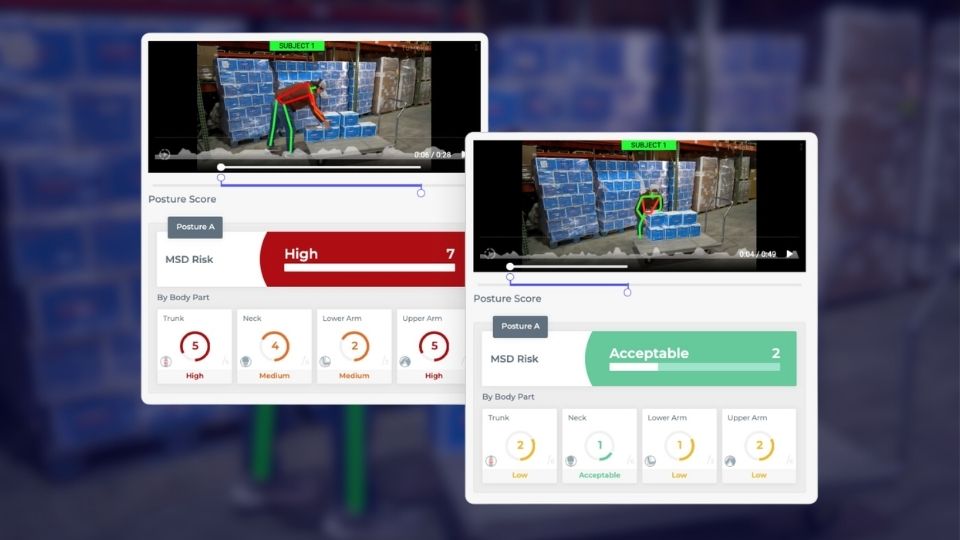
Sika implementó TuMeke en cinco sitios en el este de Canadá, impactando a más de 420 empleados. Posteriormente se amplió la prueba hacia México. Lo que marcó la diferencia fue el video. En lugar de depender solo de instrucciones u observaciones, los empleados podrían verse a sí mismos llevando a cabo un trabajo real. Sin comentarios ni juicios, el video creó conciencia y autocorrección al instante.
“Hemos estado usando TuMeke desde hace algún tiempo y es una herramienta absolutamente increíble. Su impacto inmediato en los empleados es simplemente incomparable. La profundidad del análisis de IA es extremadamente detallada”.
- Hans Muller, Líder de EHS, Sika
La solución fue fácil de implementar, requirió una capacitación mínima para los equipos de producción y se adaptó bien en diferentes tareas, tipos de equipos y perfiles de trabajadores.
El resultado más inmediato fue la velocidad.
Los empleados no necesitaban que se les dijera lo que estaban haciendo mal. Ver sus propios movimientos en video les ayudó a reconocer hábitos inseguros como agacharse demasiado, alcanzar en lugar de acercarse, o no usar sus rodillas correctamente. En muchos casos, las correcciones ocurrieron de inmediato. Este enfoque resultó mucho más eficaz que las pláticas tradicionales de seguridad o los procedimientos escritos, que se suelen olvidar en cuanto los empleados regresan al trabajo.
Si bien el video impulsó el cambio en el piso, los datos impulsaron las decisiones a nivel de liderazgo. Los análisis de TuMeke ayudaron a Sika a ir más allá de la justificación anecdótica a la hora de solicitar mejoras ergonómicas.
Los equipos podrían comparar claramente:
En muchos casos, prevenir incluso un solo incidente o paro a lo largo de varios años dejó clara la ganancia del caso de inversión.
Descargue y lea el estudio de caso completo aquí.
%201.svg)


.jpg)

.jpg)

En Sika, el mayor desafío ergonómico no era la conciencia, sino un comportamiento.
A pesar de los programas de seguridad establecidos, la capacitación y los procedimientos, muchos riesgos ergonómicos persistieron en el piso. Los empleados solían llevar a cabo tareas repetitivas bajo presión de tiempo y producción, desarrollando atajos que ahorraban segundos pero aumentaban el riesgo a largo plazo de una lesión en la espalda, hombros y articulaciones. Los empleados de mayor antiguedad, algunos con décadas de experiencia, creían que ciertos movimientos eran seguros simplemente porque aún no habían provocado lesiones. En realidad, estos hábitos suelen representabar un riesgo que se acumula, y no una de las mejores prácticas.
Sika implementó TuMeke en cinco sitios en el este de Canadá, impactando a más de 420 empleados. Posteriormente se amplió la prueba hacia México. Lo que marcó la diferencia fue el video. En lugar de depender solo de instrucciones u observaciones, los empleados podrían verse a sí mismos llevando a cabo un trabajo real. Sin comentarios ni juicios, el video creó conciencia y autocorrección al instante.
“Hemos estado usando TuMeke desde hace algún tiempo y es una herramienta absolutamente increíble. Su impacto inmediato en los empleados es simplemente incomparable. La profundidad del análisis de IA es extremadamente detallada”.
- Hans Muller, Líder de EHS, Sika
La solución fue fácil de implementar, requirió una capacitación mínima para los equipos de producción y se adaptó bien en diferentes tareas, tipos de equipos y perfiles de trabajadores.
El resultado más inmediato fue la velocidad.
Los empleados no necesitaban que se les dijera lo que estaban haciendo mal. Ver sus propios movimientos en video les ayudó a reconocer hábitos inseguros como agacharse demasiado, alcanzar en lugar de acercarse, o no usar sus rodillas correctamente. En muchos casos, las correcciones ocurrieron de inmediato. Este enfoque resultó mucho más eficaz que las pláticas tradicionales de seguridad o los procedimientos escritos, que se suelen olvidar en cuanto los empleados regresan al trabajo.
Si bien el video impulsó el cambio en el piso, los datos impulsaron las decisiones a nivel de liderazgo. Los análisis de TuMeke ayudaron a Sika a ir más allá de la justificación anecdótica a la hora de solicitar mejoras ergonómicas.
Los equipos podrían comparar claramente:
En muchos casos, prevenir incluso un solo incidente o paro a lo largo de varios años dejó clara la ganancia del caso de inversión.
Descargue y lea el estudio de caso completo aquí.
.jpg)