


Prueba gratuita de 14 días
Realice evaluaciones ergonómicas ilimitadas durante dos semanas. Todo lo que necesitas es tu teléfono.

.png)
Ideas clave
Los datos de reclamaciones son útiles, pero no siempre reflejan el riesgo actual. Los trastornos musculoesqueléticos (TME) se suelen acumular lentamente y aparecen tarde, en ocasiones mucho después de que un trabajador ya ha sufrido una lesión. Es por eso que confiar solo en indicadores rezagados puede tomar por sorpresa a los profesionales de EHS. Las herramientas que revelan los riesgos a nivel de tarea, como las evaluaciones de video impulsadas por IA, pueden cerrar esta brecha.
Porque la mayoría de las empresas solo rastrean las lesiones después de que ocurren. La OSHA le llama a esto la diferencia entre los indicadores rezagados y los principales. Los indicadores rezagados capturan lo que salió mal, como reclamos de indemnización, eventos registrables, días fuera del trabajo. Están rezagados por naturaleza.
Los indicadores principales hacen lo contrario. Se enfocan en condiciones que podrían derivar en lesiones pero aún no lo han hecho. Los trastornos musculoesqueléticos son un buen ejemplo. Suelen comenzar con fatiga, movimientos incómodos o estrés repetitivo. Pero esas señales de alerta temprana no aparecen en un reclamo hasta que cruzan una línea determinada, como tiempo fuera del trabajo, servicios restringidos o tratamientos médicos.
Por lo tanto, los registros para la OSHA podrían verse bien en papel, incluso mientras su equipo está soportando y enmascarando el dolor. Para ver por qué sucede eso, es útil entender exactamente lo que OSHA considera registrable.
Debido a que la mayoría de los sistemas de reportaje solo rastrean lesiones que cruzan cierto umbral. Según la OSHA 1904.7, una lesión se vuelve registrable cuando resulta en tiempo fuera del trabajo, servicios restringidos o tratamientos médicos más allá de los primeros auxilios. Eso descarta los trastornos musculoesqueléticos en etapa temprana, el tipo en el que los trabajadores están adoloridos, tensos o cambiando silenciosamente la forma en que se mueven solo para terminar su jornada laboral.
Incluso si esos trabajadores están en alto riesgo, no “cuentan” hasta que algo se rompe. Esto es especialmente común en trabajos manuales donde trabajar y soportar el dolor es el estándar. Y para cuando aparece un reclamo, suele reflejar un problema que se estuvo construyendo a lo largo de semanas o meses.
Para complicar las cosas, incluso las lesiones válidas no siempre llegan al sistema. Las auditorías OSHA e Investigación BLS han encontrado que la subpresentación de informes es un problema generalizado. Los empleadores pueden pasar por alto o clasificar erróneamente los casos, no siempre a propósito, pero suele ser debido a una orientación poco clara o procesos inconsistentes.
Entonces, cuando alguien dice: “Nuestros reclamos están a la baja”, la siguiente pregunta debería ser: ¿el riesgo realmente está bajando, o simplemente estamos viendo menos en el papel? Por eso es momento de reimaginar cómo capturamos la exposición en primer lugar, y qué herramientas pueden detectarla.
Las evaluaciones de video impulsadas por IA brindan a los equipos de seguridad una forma más rápida y precisa de detectar el riesgo ergonómico, mucho antes de que se convierta en un reclamo.
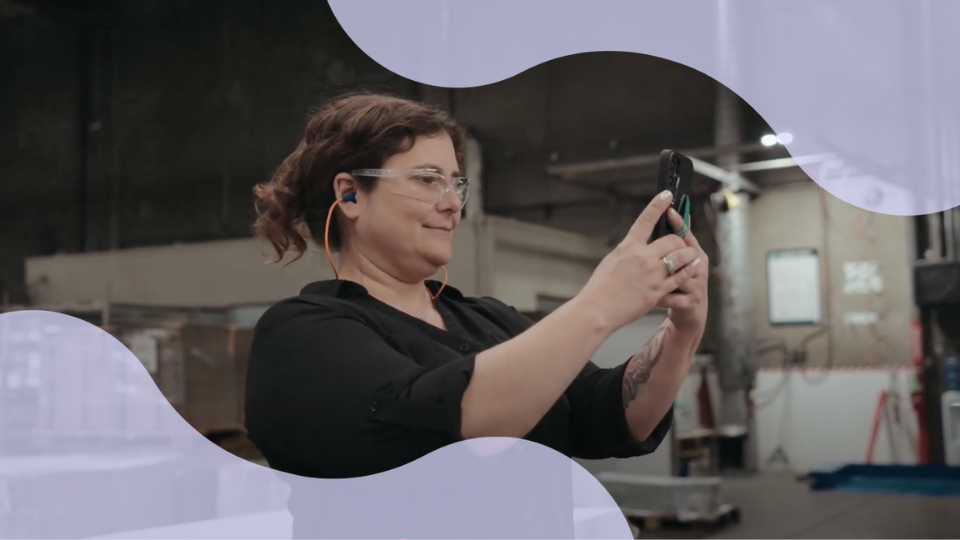
Usando solo un celular, la tecnología de visión computarizada puede analizar cómo se mueven los trabajadores durante las tareas reales. El software resalta factores de riesgo comunes como posturas incómodas, levantamientos de alta fuerza y movimientos repetitivos. No se necesitan dispositivos vestibles ni sensores, solo un video corto.
A partir de ahí, las plataformas ergonómicas aplican herramientas estándar de la industria como RULA, REBA y la ecuación de levantamiento de NIOSH para calcular los puntajes de riesgo a nivel de tarea. Esto convierte las preocupaciones generales en datos medibles, como identificar que el 50% de los levantamientos superan los umbrales de seguridad.
A diferencia de las evaluaciones manuales, que suelen ser reactivas y consumen mucho tiempo, las evaluaciones impulsadas por IA se pueden llevar a cabo de manera proactiva durante un recorrido. Puede detectar problemas en minutos y realizar copias de seguridad de lo que ve con datos objetivos. Debido a que el sistema es escalable, puede evaluar docenas de tareas en varios sitios sin personal adicional.
Este cambio de los indicadores rezagados a los principales hace que la ergonomía sea más procesable. Mueve los programas de seguridad de “lo abordaremos más tarde” a “podemos arreglarlo ahora”, y eso está cambiando la forma en que los equipos definen el éxito.
El papel de los programas de seguridad ha cambiado. Ya no es suficiente documentar lo que salió mal después de los hechos. Hoy en día, existe una presión creciente, de los reguladores, los organismos de normalización y el liderazgo interno, para prevenir las lesiones antes de que ocurran.
La OSHA fomenta el uso de métricas de seguridad proactivas, y NIOSH los llama “preventivos y predictivos”. Normas internacionales como ISO 45004 y ASSP/ISO TR 45004:2024 también recomiendan el uso de datos en tiempo real para monitorear las condiciones del lugar de trabajo, en lugar de depender únicamente de los informes de incidentes.
Eso significa que los programas construidos solo sobre indicadores rezagados, como reclamos o casos de pérdida de tiempo laboral, pueden no ser suficientes en una auditoría, durante revisiones de financiamiento o en discusiones de estrategia. Especialmente cuando ahora existen herramientas más avanzadas y accesibles para rastrear la exposición y el alcance del riesgo oculto.
Si se está preguntando cómo poner en práctica estas métricas proactivas sin agregar más trabajo manual, ahí es donde TuMeke puede marcar una diferencia real.
TuMeke le ayuda a detectar los riesgos antes de que se conviertan en una lesión, de manera rápida, clara y sin la necesidad de dispositivos vestibles o configuraciones complejas. Con solo un video grabado en un celular, la plataforma analiza cómo se mueven los trabajadores durante tareas reales y resalta los causantes ocultos de tensión musculoesquelética, posturas incómodas, levantamientos de alta fuerza y movimientos repetitivos. En cuestión de minutos, sabrá exactamente dónde está el riesgo, qué lo está causando y cómo solucionarlo.
Con TuMeke usted puede:
Ya sea que esté en los departamentos de EHS, RRHH u operaciones, TuMeke facilita la toma de decisiones antes de que ocurran las lesiones, respaldando esas acciones con evidencia real. Si su personal está sintiendo la tensión pero las métricas dicen que todo está bien, es hora de confiar en lo que se puede ver, no solo en lo que se registra.
Vea lo qué los números no le cuentan. Programe su demostración personalizada de TuMeke hoy mismo.
¿Cómo pueden los equipos de seguridad probar que existe riesgo cuando los reclamos son bajos?
Pueden usar evaluaciones a nivel de movimientos individuales para mostrar la exposición a riesgos antes de que ocurran los reclamos. La IA de TuMeke indica los riesgos ergonómicos a partir de videos de tareas simples, proporcionando datos duros que los equipos de EHS pueden mostrar a la administración.
¿Cuáles son los signos comunes de riesgo de TME que no se registran?
Los signos incluyen dolor repetido, estiramientos incómodos y trabajadores que modifican la forma en que se mueven para evitar el dolor. Estos a menudo no se reportan a menos que resulten en tiempo fuera del trabajo o tratamientos médicos.
¿Por qué limitarse a los registrables de la OSHA es riesgoso para el seguimiento de TME?
Los registrables de la OSHA capturan lesiones que cumplen con umbrales estrictos. Pero la mayoría de los TME se desarrollan poco a poco. Para cuando sean registrables, el daño ya está hecho y otros trabajadores podrían estar en riesgo también.
¿Qué significa “trabajar con dolor” en un contexto de seguridad ergonómica?
“Trabajar con dolor” significa que los trabajadores permanecen en el trabajo mientras se encuentran con molestias o dolor, a menudo ocultando signos tempranos de lesión. Esto puede enmascarar un riesgo creciente que no se mostrará en los datos oficiales hasta que sea grave.
¿Con qué frecuencia se deben llevar a cabo evaluaciones ergonómicas a nivel específico de tarea?
Idealmente, las evaluaciones deberían ser continuas. Con herramientas como TuMeke, los equipos pueden evaluar tareas en minutos y repetir las evaluaciones cada vez que cambia el trabajo, sin necesidad de personal adicional o configuraciones complejas.
%201.svg)


.jpg)


Ideas clave
Los datos de reclamaciones son útiles, pero no siempre reflejan el riesgo actual. Los trastornos musculoesqueléticos (TME) se suelen acumular lentamente y aparecen tarde, en ocasiones mucho después de que un trabajador ya ha sufrido una lesión. Es por eso que confiar solo en indicadores rezagados puede tomar por sorpresa a los profesionales de EHS. Las herramientas que revelan los riesgos a nivel de tarea, como las evaluaciones de video impulsadas por IA, pueden cerrar esta brecha.
Porque la mayoría de las empresas solo rastrean las lesiones después de que ocurren. La OSHA le llama a esto la diferencia entre los indicadores rezagados y los principales. Los indicadores rezagados capturan lo que salió mal, como reclamos de indemnización, eventos registrables, días fuera del trabajo. Están rezagados por naturaleza.
Los indicadores principales hacen lo contrario. Se enfocan en condiciones que podrían derivar en lesiones pero aún no lo han hecho. Los trastornos musculoesqueléticos son un buen ejemplo. Suelen comenzar con fatiga, movimientos incómodos o estrés repetitivo. Pero esas señales de alerta temprana no aparecen en un reclamo hasta que cruzan una línea determinada, como tiempo fuera del trabajo, servicios restringidos o tratamientos médicos.
Por lo tanto, los registros para la OSHA podrían verse bien en papel, incluso mientras su equipo está soportando y enmascarando el dolor. Para ver por qué sucede eso, es útil entender exactamente lo que OSHA considera registrable.
Debido a que la mayoría de los sistemas de reportaje solo rastrean lesiones que cruzan cierto umbral. Según la OSHA 1904.7, una lesión se vuelve registrable cuando resulta en tiempo fuera del trabajo, servicios restringidos o tratamientos médicos más allá de los primeros auxilios. Eso descarta los trastornos musculoesqueléticos en etapa temprana, el tipo en el que los trabajadores están adoloridos, tensos o cambiando silenciosamente la forma en que se mueven solo para terminar su jornada laboral.
Incluso si esos trabajadores están en alto riesgo, no “cuentan” hasta que algo se rompe. Esto es especialmente común en trabajos manuales donde trabajar y soportar el dolor es el estándar. Y para cuando aparece un reclamo, suele reflejar un problema que se estuvo construyendo a lo largo de semanas o meses.
Para complicar las cosas, incluso las lesiones válidas no siempre llegan al sistema. Las auditorías OSHA e Investigación BLS han encontrado que la subpresentación de informes es un problema generalizado. Los empleadores pueden pasar por alto o clasificar erróneamente los casos, no siempre a propósito, pero suele ser debido a una orientación poco clara o procesos inconsistentes.
Entonces, cuando alguien dice: “Nuestros reclamos están a la baja”, la siguiente pregunta debería ser: ¿el riesgo realmente está bajando, o simplemente estamos viendo menos en el papel? Por eso es momento de reimaginar cómo capturamos la exposición en primer lugar, y qué herramientas pueden detectarla.
Las evaluaciones de video impulsadas por IA brindan a los equipos de seguridad una forma más rápida y precisa de detectar el riesgo ergonómico, mucho antes de que se convierta en un reclamo.
Usando solo un celular, la tecnología de visión computarizada puede analizar cómo se mueven los trabajadores durante las tareas reales. El software resalta factores de riesgo comunes como posturas incómodas, levantamientos de alta fuerza y movimientos repetitivos. No se necesitan dispositivos vestibles ni sensores, solo un video corto.
A partir de ahí, las plataformas ergonómicas aplican herramientas estándar de la industria como RULA, REBA y la ecuación de levantamiento de NIOSH para calcular los puntajes de riesgo a nivel de tarea. Esto convierte las preocupaciones generales en datos medibles, como identificar que el 50% de los levantamientos superan los umbrales de seguridad.
A diferencia de las evaluaciones manuales, que suelen ser reactivas y consumen mucho tiempo, las evaluaciones impulsadas por IA se pueden llevar a cabo de manera proactiva durante un recorrido. Puede detectar problemas en minutos y realizar copias de seguridad de lo que ve con datos objetivos. Debido a que el sistema es escalable, puede evaluar docenas de tareas en varios sitios sin personal adicional.
Este cambio de los indicadores rezagados a los principales hace que la ergonomía sea más procesable. Mueve los programas de seguridad de “lo abordaremos más tarde” a “podemos arreglarlo ahora”, y eso está cambiando la forma en que los equipos definen el éxito.
El papel de los programas de seguridad ha cambiado. Ya no es suficiente documentar lo que salió mal después de los hechos. Hoy en día, existe una presión creciente, de los reguladores, los organismos de normalización y el liderazgo interno, para prevenir las lesiones antes de que ocurran.
La OSHA fomenta el uso de métricas de seguridad proactivas, y NIOSH los llama “preventivos y predictivos”. Normas internacionales como ISO 45004 y ASSP/ISO TR 45004:2024 también recomiendan el uso de datos en tiempo real para monitorear las condiciones del lugar de trabajo, en lugar de depender únicamente de los informes de incidentes.
Eso significa que los programas construidos solo sobre indicadores rezagados, como reclamos o casos de pérdida de tiempo laboral, pueden no ser suficientes en una auditoría, durante revisiones de financiamiento o en discusiones de estrategia. Especialmente cuando ahora existen herramientas más avanzadas y accesibles para rastrear la exposición y el alcance del riesgo oculto.
Si se está preguntando cómo poner en práctica estas métricas proactivas sin agregar más trabajo manual, ahí es donde TuMeke puede marcar una diferencia real.
TuMeke le ayuda a detectar los riesgos antes de que se conviertan en una lesión, de manera rápida, clara y sin la necesidad de dispositivos vestibles o configuraciones complejas. Con solo un video grabado en un celular, la plataforma analiza cómo se mueven los trabajadores durante tareas reales y resalta los causantes ocultos de tensión musculoesquelética, posturas incómodas, levantamientos de alta fuerza y movimientos repetitivos. En cuestión de minutos, sabrá exactamente dónde está el riesgo, qué lo está causando y cómo solucionarlo.
Con TuMeke usted puede:
Ya sea que esté en los departamentos de EHS, RRHH u operaciones, TuMeke facilita la toma de decisiones antes de que ocurran las lesiones, respaldando esas acciones con evidencia real. Si su personal está sintiendo la tensión pero las métricas dicen que todo está bien, es hora de confiar en lo que se puede ver, no solo en lo que se registra.
Vea lo qué los números no le cuentan. Programe su demostración personalizada de TuMeke hoy mismo.
¿Cómo pueden los equipos de seguridad probar que existe riesgo cuando los reclamos son bajos?
Pueden usar evaluaciones a nivel de movimientos individuales para mostrar la exposición a riesgos antes de que ocurran los reclamos. La IA de TuMeke indica los riesgos ergonómicos a partir de videos de tareas simples, proporcionando datos duros que los equipos de EHS pueden mostrar a la administración.
¿Cuáles son los signos comunes de riesgo de TME que no se registran?
Los signos incluyen dolor repetido, estiramientos incómodos y trabajadores que modifican la forma en que se mueven para evitar el dolor. Estos a menudo no se reportan a menos que resulten en tiempo fuera del trabajo o tratamientos médicos.
¿Por qué limitarse a los registrables de la OSHA es riesgoso para el seguimiento de TME?
Los registrables de la OSHA capturan lesiones que cumplen con umbrales estrictos. Pero la mayoría de los TME se desarrollan poco a poco. Para cuando sean registrables, el daño ya está hecho y otros trabajadores podrían estar en riesgo también.
¿Qué significa “trabajar con dolor” en un contexto de seguridad ergonómica?
“Trabajar con dolor” significa que los trabajadores permanecen en el trabajo mientras se encuentran con molestias o dolor, a menudo ocultando signos tempranos de lesión. Esto puede enmascarar un riesgo creciente que no se mostrará en los datos oficiales hasta que sea grave.
¿Con qué frecuencia se deben llevar a cabo evaluaciones ergonómicas a nivel específico de tarea?
Idealmente, las evaluaciones deberían ser continuas. Con herramientas como TuMeke, los equipos pueden evaluar tareas en minutos y repetir las evaluaciones cada vez que cambia el trabajo, sin necesidad de personal adicional o configuraciones complejas.