


Prueba gratuita de 14 días
Realice evaluaciones ergonómicas ilimitadas durante dos semanas. Todo lo que necesitas es tu teléfono.

.png)
Ideas clave
La “ergonomía 3D” emplea visión computarizada y rastreo de movimientos para capturar la postura y movimientos en múltiples planos del cuerpo a lo largo del tiempo. Esto le otorga a los equipos de seguridad una imagen completa del riesgo musculoesquelético, algo que los métodos tradicionales 2D suelen pasar por alto. Como resultado obtendrá datos más claros para guiar la toma de decisiones de seguridad más inteligentes.
La ergonomía 3D se refiere al uso de herramientas como cámaras de profundidad, IA o sensores de movimiento para rastrear cómo se mueve una persona en tiempo real, en todas las direcciones. En lugar de adivinar a partir de una foto o ver una tarea desde un solo ángulo, estos sistemas construyen un modelo de cuerpo completo y miden cómo las articulaciones se doblan, giran o se mantienen en una posición a lo largo del tiempo.
Este enfoque ayuda a los equipos a comprender las demandas reales de una tarea. Eso incluye torcer, alcanzar, levantar o adoptar posturas incómodas que podrían durar solo unos segundos pero que ocurren cientos de veces en un turno. Los equipos de seguridad le llaman a esto “3D” porque captura el movimiento en los planos sagital (de adelante hacia atrás), frontal (de lado a lado) y transversal (rotacionales), todos a la vez. Con herramientas como TuMeke, los equipos pueden capturar los tres planos de movimiento grabando un solo video con un celular y nuestra plataforma impulsada por IA que construye un modelo esquelético 3D automáticamente: sin necesidad de sensores portátiles o cámaras especializadas.
Las evaluaciones ergonómicas 2D utilizan fotos o imágenes de video para estimar la postura. Las herramientas como RULA, REBA, o la ecuación de levantamiento de NIOSH son ejemplos comunes. No necesita de equipo extra y son fáciles de llevar a cabo, pero por lo general se enfocan en un solo momento o ángulo y pueden omitir movimientos pequeños, rápidos o de flexión.
Las evaluaciones ergonómicas en 3D crean un modelo digital del trabajador en movimiento. Hacen un seguimiento de cuánto tiempo permanece una articulación en una postura arriesgada, qué tan rápido cambia y si los patrones se repiten. Esto le da a los equipos de seguridad más detalle y precisión, especialmente cuando las tareas implican rotación, velocidad o alta variabilidad.
A continuación, una comparación rápida:

Históricamente, las dificultades tecnológicas y el conocimiento de software eran un obstáculo para que los equipos adoptaran métodos ergonómicos 3D, pero TuMeke está cambiando eso. Nuestra plataforma le permite grabar una tarea en su celular, generar datos de postura 3D automáticamente y ejecutar la evaluación sin necesidad de tareas manuales.
Pero esta diferencia va más allá de la precisión de las medidas. Esto moldea la manera en que los equipos detectan riesgos, cumplen con las expectativas de OSHA y previenen lesiones antes de que ocurran.
Los trastornos musculoesqueléticos (TME) relacionados con el trabajo son una de las lesiones laborales más comunes en los Estados Unidos, lo que representa aproximadamente un 31% de todos los casos reportados. Estas lesiones suelen provocar una gran cantidad de tiempo fuera del trabajo, con la Oficina de Estadísticas Laborales reportando más de 888,000 casos de días fuera del trabajo en 2024, y un promedio de ocho días perdidos por lesión.
Muchas de estas lesiones están relacionadas con condiciones ergonómicas deficientes, como levantar objetos, movimientos repetitivos y posturas incómodas. Si bien la OSHA no tiene un estándar de ergonomía dedicado, la Cláusula de Deber General de la Ley de SST sigue exigiendo que los empleadores aborden los peligros reconocidos, incluidos los TMET(trastornos musculoesqueléticos relacionados con el trabajo), cuando existan soluciones viables. No reconocer o corregir estos riesgos puede provocar un citatorio.
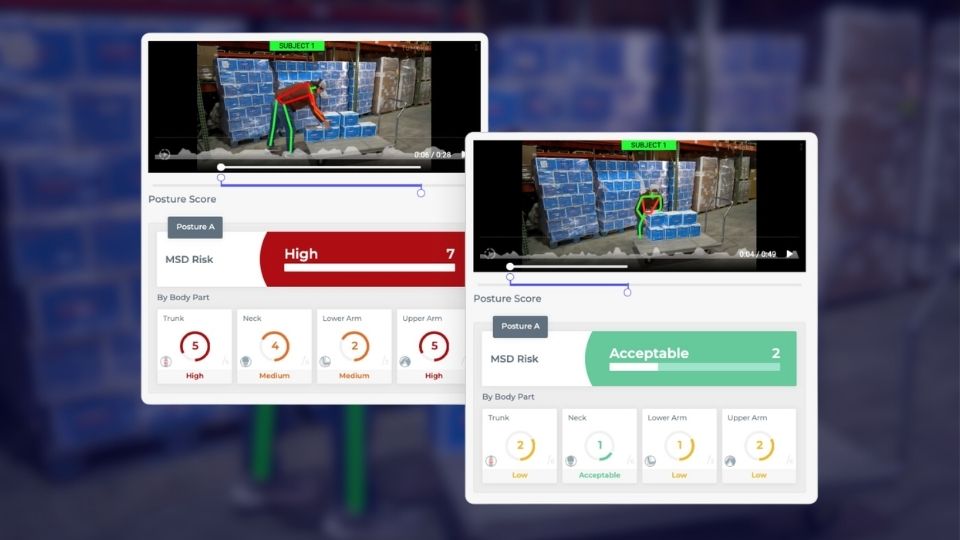
Aquí es donde la ergonomía 3D juega un papel clave: al capturar datos de postura continuos y medibles en todos los planos del cuerpo, ayuda a los equipos a identificar los peligros con mayor claridad y documentar los pasos prácticos para reducirlos. Con TuMeke, esta documentación está integrada en el flujo de trabajo: cada evaluación genera núcleos de riesgo, imágenes de postura con esqueletos sobrepuestos y un registro del progreso a lo largo del tiempo que los equipos pueden consultar.
El riesgo de los TMET no proviene de un factor, se acumula a través de una mezcla de fuerza, postura y repetición. Tanto la NIOSH como la ISO destacan esto en sus pautas ergonómicas. Para abordar ese riesgo de manera efectiva, los equipos de seguridad necesitan datos claros y medibles, no solo estimaciones.
La ergonomía 3D brinda a los equipos las herramientas para:
Con este nivel de detalle, los equipos pueden pasar de soluciones reactivas a decisiones proactivas y respaldadas por datos.
TuMeke lleva esto un paso más allá con recomendaciones impulsadas por IA, por lo que no solo estará viendo el riesgo, sino que recibirá recomendaciones claras y procesables para cada evaluación. En lugar de pasar horas interpretando los puntajes de riesgo, los equipos de seguridad obtienen sugerencias sobre las que pueden actuar de inmediato, como ajustar la altura de la estación de trabajo, iniciar la rotación de tareas o designar una actividad para llevar a cabo controles de ingeniería.
TuMeke también les permite a los equipos llevar un seguimiento de las tendencias de exposición y estandarizar las evaluaciones en múltiples sitios, lo que facilita la comparación de perfiles de riesgo y la medición del impacto de los cambios a lo largo del tiempo.
TuMeke es una plataforma de seguridad ergonómica construida para entornos de trabajo de alto riesgo y ritmo rápido de hoy. Utilizamos IA y visión computarizada para convertir un simple video de celular en una evaluación ergonómica 3D completa, sin necesidad de dispositivos vestibles, sensores o equipo especial.
Con TuMeke, usted puede:
Ya sea que esté en manufactura, logística, procesamiento de alimentos u operaciones de aerolíneas, TuMeke le ayuda a pasar de la reacción a la prevención.
Vea la diferencia que TuMeke puede hacer. Comience su prueba gratuita de 14 días hoy mismo.
¿Qué riesgos puede detectar la ergonomía 3D que el 2D podría pasar por alto?
La ergonomía 3D puede detectar torsión, flexión lateral, rotación de articulaciones y tiempo en posturas incómodas, factores que las vistas 2D suelen pasar por alto debido a ángulos limitados o ventanas de observación cortas.
¿De qué manera la ergonomía 3D respalda el cumplimiento de la OSHA?
Ayuda a documentar los peligros ergonómicos reconocidos y muestra que el empleador tomó medidas factibles para reducir el riesgo, lo que respalda el cumplimiento bajo la Cláusula de Deber General de la OSHA. Las herramientas como TuMeke contribuyen automáticamente a esta documentación en cada evaluación.
¿Por qué los datos de postura 3D sean más útiles para el entrenamiento?
Los datos 3D capturan el movimiento de todo el cuerpo a lo largo del tiempo, lo que facilita mostrar a los trabajadores exactamente cuándo y cómo ocurren las posturas riesgosas. Las imágenes de esqueleto sobrepuestas de TuMeke hacen que esto sea particularmente efectivo para la capacitación, ya que los trabajadores pueden ver sus propios movimientos resaltados junto con los puntajes de riesgo.
¿Por qué la ergonomía 3D es importante en trabajos de alta variación?
En tareas donde la postura cambia con frecuencia, como el trabajo de almacén o el procesamiento de alimentos, las herramientas 3D pueden rastrear movimientos pequeños y rápidos, además de marcar patrones que los métodos 2D podrían pasar por alto.
¿Se puede ejecutar la Ergonomía 3D sin equipo adicional?
Así es. Las herramientas como TuMeke utilizan videos e IA para celular, por lo que no necesita dispositivos o sensores adicionales para obtener evaluaciones ergonómicas 3D de alta calidad.
%201.svg)


.jpg)

.jpg)

Ideas clave
La “ergonomía 3D” emplea visión computarizada y rastreo de movimientos para capturar la postura y movimientos en múltiples planos del cuerpo a lo largo del tiempo. Esto le otorga a los equipos de seguridad una imagen completa del riesgo musculoesquelético, algo que los métodos tradicionales 2D suelen pasar por alto. Como resultado obtendrá datos más claros para guiar la toma de decisiones de seguridad más inteligentes.
La ergonomía 3D se refiere al uso de herramientas como cámaras de profundidad, IA o sensores de movimiento para rastrear cómo se mueve una persona en tiempo real, en todas las direcciones. En lugar de adivinar a partir de una foto o ver una tarea desde un solo ángulo, estos sistemas construyen un modelo de cuerpo completo y miden cómo las articulaciones se doblan, giran o se mantienen en una posición a lo largo del tiempo.
Este enfoque ayuda a los equipos a comprender las demandas reales de una tarea. Eso incluye torcer, alcanzar, levantar o adoptar posturas incómodas que podrían durar solo unos segundos pero que ocurren cientos de veces en un turno. Los equipos de seguridad le llaman a esto “3D” porque captura el movimiento en los planos sagital (de adelante hacia atrás), frontal (de lado a lado) y transversal (rotacionales), todos a la vez. Con herramientas como TuMeke, los equipos pueden capturar los tres planos de movimiento grabando un solo video con un celular y nuestra plataforma impulsada por IA que construye un modelo esquelético 3D automáticamente: sin necesidad de sensores portátiles o cámaras especializadas.
Las evaluaciones ergonómicas 2D utilizan fotos o imágenes de video para estimar la postura. Las herramientas como RULA, REBA, o la ecuación de levantamiento de NIOSH son ejemplos comunes. No necesita de equipo extra y son fáciles de llevar a cabo, pero por lo general se enfocan en un solo momento o ángulo y pueden omitir movimientos pequeños, rápidos o de flexión.
Las evaluaciones ergonómicas en 3D crean un modelo digital del trabajador en movimiento. Hacen un seguimiento de cuánto tiempo permanece una articulación en una postura arriesgada, qué tan rápido cambia y si los patrones se repiten. Esto le da a los equipos de seguridad más detalle y precisión, especialmente cuando las tareas implican rotación, velocidad o alta variabilidad.
A continuación, una comparación rápida:
Históricamente, las dificultades tecnológicas y el conocimiento de software eran un obstáculo para que los equipos adoptaran métodos ergonómicos 3D, pero TuMeke está cambiando eso. Nuestra plataforma le permite grabar una tarea en su celular, generar datos de postura 3D automáticamente y ejecutar la evaluación sin necesidad de tareas manuales.
Pero esta diferencia va más allá de la precisión de las medidas. Esto moldea la manera en que los equipos detectan riesgos, cumplen con las expectativas de OSHA y previenen lesiones antes de que ocurran.
Los trastornos musculoesqueléticos (TME) relacionados con el trabajo son una de las lesiones laborales más comunes en los Estados Unidos, lo que representa aproximadamente un 31% de todos los casos reportados. Estas lesiones suelen provocar una gran cantidad de tiempo fuera del trabajo, con la Oficina de Estadísticas Laborales reportando más de 888,000 casos de días fuera del trabajo en 2024, y un promedio de ocho días perdidos por lesión.
Muchas de estas lesiones están relacionadas con condiciones ergonómicas deficientes, como levantar objetos, movimientos repetitivos y posturas incómodas. Si bien la OSHA no tiene un estándar de ergonomía dedicado, la Cláusula de Deber General de la Ley de SST sigue exigiendo que los empleadores aborden los peligros reconocidos, incluidos los TMET(trastornos musculoesqueléticos relacionados con el trabajo), cuando existan soluciones viables. No reconocer o corregir estos riesgos puede provocar un citatorio.
Aquí es donde la ergonomía 3D juega un papel clave: al capturar datos de postura continuos y medibles en todos los planos del cuerpo, ayuda a los equipos a identificar los peligros con mayor claridad y documentar los pasos prácticos para reducirlos. Con TuMeke, esta documentación está integrada en el flujo de trabajo: cada evaluación genera núcleos de riesgo, imágenes de postura con esqueletos sobrepuestos y un registro del progreso a lo largo del tiempo que los equipos pueden consultar.
El riesgo de los TMET no proviene de un factor, se acumula a través de una mezcla de fuerza, postura y repetición. Tanto la NIOSH como la ISO destacan esto en sus pautas ergonómicas. Para abordar ese riesgo de manera efectiva, los equipos de seguridad necesitan datos claros y medibles, no solo estimaciones.
La ergonomía 3D brinda a los equipos las herramientas para:
Con este nivel de detalle, los equipos pueden pasar de soluciones reactivas a decisiones proactivas y respaldadas por datos.
TuMeke lleva esto un paso más allá con recomendaciones impulsadas por IA, por lo que no solo estará viendo el riesgo, sino que recibirá recomendaciones claras y procesables para cada evaluación. En lugar de pasar horas interpretando los puntajes de riesgo, los equipos de seguridad obtienen sugerencias sobre las que pueden actuar de inmediato, como ajustar la altura de la estación de trabajo, iniciar la rotación de tareas o designar una actividad para llevar a cabo controles de ingeniería.
TuMeke también les permite a los equipos llevar un seguimiento de las tendencias de exposición y estandarizar las evaluaciones en múltiples sitios, lo que facilita la comparación de perfiles de riesgo y la medición del impacto de los cambios a lo largo del tiempo.
TuMeke es una plataforma de seguridad ergonómica construida para entornos de trabajo de alto riesgo y ritmo rápido de hoy. Utilizamos IA y visión computarizada para convertir un simple video de celular en una evaluación ergonómica 3D completa, sin necesidad de dispositivos vestibles, sensores o equipo especial.
Con TuMeke, usted puede:
Ya sea que esté en manufactura, logística, procesamiento de alimentos u operaciones de aerolíneas, TuMeke le ayuda a pasar de la reacción a la prevención.
Vea la diferencia que TuMeke puede hacer. Comience su prueba gratuita de 14 días hoy mismo.
¿Qué riesgos puede detectar la ergonomía 3D que el 2D podría pasar por alto?
La ergonomía 3D puede detectar torsión, flexión lateral, rotación de articulaciones y tiempo en posturas incómodas, factores que las vistas 2D suelen pasar por alto debido a ángulos limitados o ventanas de observación cortas.
¿De qué manera la ergonomía 3D respalda el cumplimiento de la OSHA?
Ayuda a documentar los peligros ergonómicos reconocidos y muestra que el empleador tomó medidas factibles para reducir el riesgo, lo que respalda el cumplimiento bajo la Cláusula de Deber General de la OSHA. Las herramientas como TuMeke contribuyen automáticamente a esta documentación en cada evaluación.
¿Por qué los datos de postura 3D sean más útiles para el entrenamiento?
Los datos 3D capturan el movimiento de todo el cuerpo a lo largo del tiempo, lo que facilita mostrar a los trabajadores exactamente cuándo y cómo ocurren las posturas riesgosas. Las imágenes de esqueleto sobrepuestas de TuMeke hacen que esto sea particularmente efectivo para la capacitación, ya que los trabajadores pueden ver sus propios movimientos resaltados junto con los puntajes de riesgo.
¿Por qué la ergonomía 3D es importante en trabajos de alta variación?
En tareas donde la postura cambia con frecuencia, como el trabajo de almacén o el procesamiento de alimentos, las herramientas 3D pueden rastrear movimientos pequeños y rápidos, además de marcar patrones que los métodos 2D podrían pasar por alto.
¿Se puede ejecutar la Ergonomía 3D sin equipo adicional?
Así es. Las herramientas como TuMeke utilizan videos e IA para celular, por lo que no necesita dispositivos o sensores adicionales para obtener evaluaciones ergonómicas 3D de alta calidad.
.jpg)