


Prueba gratuita de 14 días
Realice evaluaciones ergonómicas ilimitadas durante dos semanas. Todo lo que necesitas es tu teléfono.

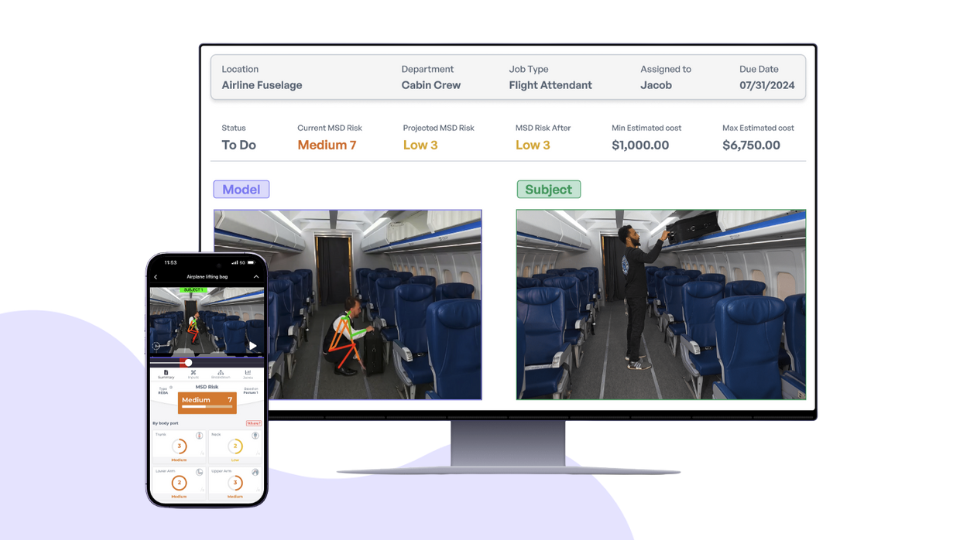
Si se trata de comparar a TuMeke con SoterAI, la diferencia más importante no es si cada plataforma puede llevar a cabo evaluaciones ergonómicas. Ambas pueden comenzar con un video común de celular. La pregunta más importante es si su empresa necesita una plataforma diseñada específicamente para la ergonomía o una plataforma de EHS más amplia donde la ergonomía sea solo un flujo de trabajo más.
Para los equipos enfocados específicamente en la reducción de riesgos ergonómicos y la prevención de trastornos musculoesqueléticos (TME), TuMeke está diseñado para cubrir el ciclo completo de la ergonomía: evaluación, análisis de movimiento, recomendaciones, seguimiento de intervenciones, comunicación visual, informes y visibilidad del retorno de inversión (ROI). SoterAI puede ser adecuado para empresas que buscan una plataforma de EHS asistida por IA más amplia que incluya la ergonomía junto con otros flujos de trabajo de seguridad.
TuMeke está diseñado específicamente para programas de ergonomía, mientras que SoterAI se posiciona como una plataforma de seguridad más amplia que incluye la ergonomía como un flujo de trabajo más.
La mayor diferencia entre TuMeke y SoterAI es la especialización.
TuMeke está creado específicamente para equipos de ergonomía que necesitan identificar riesgos de TME, evaluar más puestos de trabajo, priorizar mejoras, validar cambios e informar sobre el progreso en todas las ubicaciones. SoterAI es una plataforma de EHS más amplia que incluye la ergonomía como parte de un flujo de trabajo de seguridad mayor que abarca áreas como peligros, incidentes, inspecciones, políticas y acciones correctivas.
Esa distinción es importante porque las empresas que intentan reducir el riesgo ergonómico suelen necesitar algo más que un lugar donde documentar puntajes. Necesitan un sistema que les ayude a comprender los factores de movimiento que generan la exposición, comunicar los hallazgos con claridad, modelar cambios prácticos y confirmar si las intervenciones realmente redujeron el riesgo.
El volumen de evaluaciones es uno de los mayores obstáculos para escalar un programa de ergonomía.
Las evaluaciones manuales requieren tiempo, capacitación y consistencia. Cuando los equipos dependen de entradas manuales o de una revisión limitada por parte de expertos, pueden tener dificultades para evaluar suficientes puestos de trabajo como para obtener una imagen completa del riesgo ergonómico en todos los turnos, departamentos e instalaciones.
La Suite de Riesgos de TuMeke automatiza completamente las evaluaciones ergonómicas sin necesidad de entradas manuales. Los equipos pueden grabar una tarea con un celular o subir un video existente, y TuMeke utiliza visión computarizada 3D para analizar el movimiento y aplicar métodos de evaluación establecidos.
Para los equipos de seguridad, esto significa que la ergonomía puede dejar de ser una serie de revisiones periódicas para convertirse en un programa repetible.
Sí. La postura es importante, pero por sí sola no explica el riesgo real de TME.
Dos tareas pueden parecer similares desde el punto de vista de la postura, pero generar exposiciones muy diferentes según la repetición, duración, fuerza, el agarre, el equilibrio o el contexto del trabajo. TuMeke analiza estos factores de movimiento adicionales junto con la posición corporal, ayudando a los equipos a comprender qué es lo que realmente está impulsando el riesgo.
Ese contexto adicional puede ayudar a los equipos de seguridad a priorizar los cambios con mayor probabilidad de reducir la exposición, en lugar de actuar basándose únicamente en los puntajes de postura de forma aislada.
Cada trabajo requiere métodos de evaluación ergonómica distintos.
Una tarea de levantamiento de carga, una tarea repetitiva que requiere uso intensivo de las manos, un movimiento de cuerpo completo y una tarea de extremidades superiores no deben evaluarse de la misma manera. Por eso, la cobertura de métodos de evaluación es fundamental al comparar plataformas de ergonomía.
Tanto TuMeke como SoterAI declaran públicamente flujos de trabajo de evaluación basados en RULA, REBA y NIOSH. TuMeke también utiliza el RHSI para trabajos intensivos de manos y muñecas, y admite lógica de evaluación personalizada para empresas con métodos, entradas, reglas de puntajes o requisitos de informes especializados.
Para los equipos empresariales que gestionan diversos tipos de trabajo, contar con un conjunto de herramientas de evaluación más amplio facilita la estandarización de la ergonomía en todos los puestos, departamentos y sedes.
Identificar el riesgo es solo el primer paso.
El verdadero valor de un programa de ergonomía reside en convertir los datos de las evaluaciones en cambios prácticos y confirmar si dichos cambios funcionaron.
La función de Mejoras de TuMeke permite a los equipos asignar, dar seguimiento y confirmar intervenciones, incluyendo rediseños de procesos y actualizaciones de equipos. Los equipos pueden volver a evaluar una tarea después de un cambio y comparar los nuevos resultados con la línea base original.
Esta evidencia del antes y el después ayuda a responder la pregunta que realmente le importa a la dirección: ¿la intervención redujo el riesgo ergonómico?
Es más fácil actuar sobre los hallazgos ergonómicos cuando las personas pueden ver el riesgo con claridad.
Los videos destacados, las superposiciones de esqueletos, la guía en tiempo real y las comparaciones lado a lado ayudan a los equipos a comunicar los hallazgos más allá de una hoja de cálculo o una puntuación. Estos elementos visuales facilitan las conversaciones con operadores, líderes de operaciones, equipos de ingeniería y ejecutivos utilizando la misma evidencia.
Esto es importante porque las mejoras ergonómicas suelen requerir la aceptación de diversas áreas. Cuando todos pueden ver el movimiento, entender el riesgo y comparar los resultados del antes y el después, es más sencillo ponerse de acuerdo en la solución correcta.
Los programas de ergonomía empresarial necesitan mucho más que evaluaciones individuales.
A medida que los programas se expanden a múltiples sitios, los líderes necesitan visibilidad sobre las tendencias de riesgo, los puntos de referencia de las instalaciones, la adopción del programa y el progreso de las mejoras. TuMeke centraliza los datos de riesgo en todos los sitios, tareas y equipos, brindando a los líderes de seguridad una forma de comparar instalaciones, rastrear tendencias, generar informes y revisar el desempeño ergonómico de toda la empresa desde un solo tablero.
Esa visibilidad ayuda a las empresas a pasar de evaluaciones aisladas a nivel de instalación a un programa de ergonomía consistente y escalable.
TuMeke suele ser la mejor opción cuando la reducción de riesgos ergonómicos y la prevención de trastornos musculoesqueléticos (TME) son prioridades definidas. Está diseñado para equipos que necesitan evaluaciones totalmente automatizadas, análisis de movimiento más profundos, múltiples métodos de evaluación ergonómica, modelado de intervenciones, seguimiento de mejoras, capacitación visual, tableros empresariales y una gestión de programas escalable.
Cuando la pregunta para definir la compra es: "¿Qué plataforma nos ayudará a evaluar más tareas y a reducir sistemáticamente el riesgo ergonómico?", TuMeke es la opción más especializada.
Si su objetivo principal es reducir el riesgo ergonómico y prevenir trastornos musculoesqueléticos (TME), TuMeke es generalmente la opción más sólida. Combina evaluaciones ergonómicas totalmente automatizadas, análisis de movimiento más allá de la postura, modelado de intervenciones, capacitación visual, seguimiento de mejoras, tableros empresariales y herramientas de retorno de inversión (ROI) en una plataforma diseñada específicamente para la ergonomía. SoterAI adopta un enfoque más amplio, donde la ergonomía es solo uno de varios flujos de trabajo de EHS.
La mayor diferencia es el enfoque principal de cada plataforma. TuMeke está diseñado específicamente para programas de ergonomía, ayudando a las empresas a automatizar evaluaciones y reducir el riesgo de TME en todos los puestos y centros de trabajo. SoterAI es una plataforma horizontal de EHS donde la ergonomía es una capacidad más, junto con la gestión de incidentes, inspecciones, peligros y flujos de trabajo de políticas.
TuMeke realiza evaluaciones ergonómicas totalmente automatizadas mediante visión computarizada en 3D y video de celulares comunes, eliminando la necesidad de ingresar puntajes manualmente. SoterAI también admite evaluaciones ergonómicas basadas en video, pero su flujo de trabajo publicado incluye la revisión y confirmación por parte de un profesional de seguridad como parte del proceso de evaluación.
Depende de las necesidades de su empresa. Si su objetivo principal es la evaluación ergonómica, análisis de movimiento, planificación de intervenciones, seguimiento de mejoras, generación de informes y prevención de TME, TuMeke puede servir como su plataforma dedicada a la ergonomía. Sin embargo, no está diseñada para reemplazar funcionalidades más amplias de EHS, como la gestión de incidentes, inspecciones o gestión de políticas.
Ambas plataformas admiten métodos de evaluación comunes como RULA, REBA y evaluaciones basadas en NIOSH. TuMeke también documenta públicamente su compatibilidad con el Índice Revisado de Esfuerzo Manual (RHSI) y lógica de evaluación personalizada, ofreciendo un conjunto de herramientas más amplio para las empresas que gestionan diversos tipos de evaluaciones ergonómicas.
%201.svg)


.jpg)

.jpg)
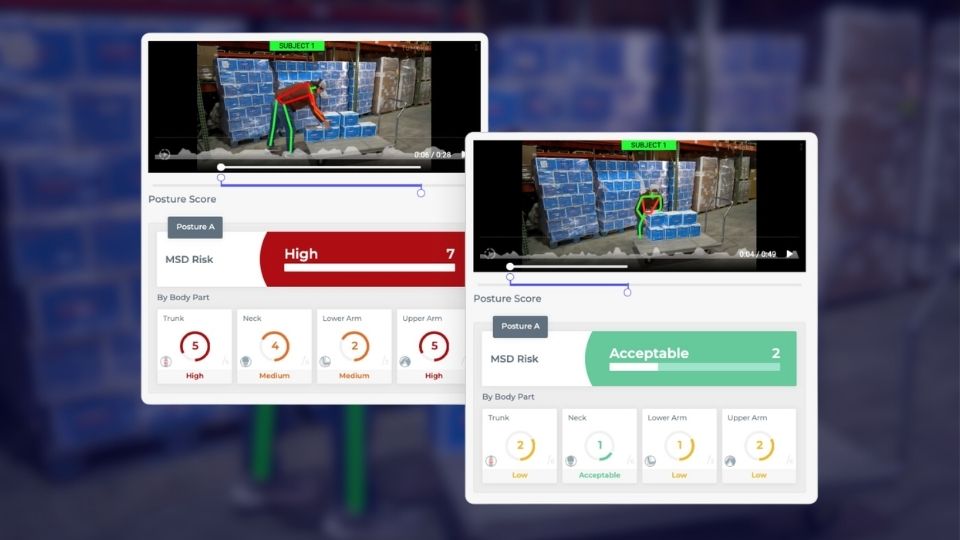

Si se trata de comparar a TuMeke con SoterAI, la diferencia más importante no es si cada plataforma puede llevar a cabo evaluaciones ergonómicas. Ambas pueden comenzar con un video común de celular. La pregunta más importante es si su empresa necesita una plataforma diseñada específicamente para la ergonomía o una plataforma de EHS más amplia donde la ergonomía sea solo un flujo de trabajo más.
Para los equipos enfocados específicamente en la reducción de riesgos ergonómicos y la prevención de trastornos musculoesqueléticos (TME), TuMeke está diseñado para cubrir el ciclo completo de la ergonomía: evaluación, análisis de movimiento, recomendaciones, seguimiento de intervenciones, comunicación visual, informes y visibilidad del retorno de inversión (ROI). SoterAI puede ser adecuado para empresas que buscan una plataforma de EHS asistida por IA más amplia que incluya la ergonomía junto con otros flujos de trabajo de seguridad.
TuMeke está diseñado específicamente para programas de ergonomía, mientras que SoterAI se posiciona como una plataforma de seguridad más amplia que incluye la ergonomía como un flujo de trabajo más.
La mayor diferencia entre TuMeke y SoterAI es la especialización.
TuMeke está creado específicamente para equipos de ergonomía que necesitan identificar riesgos de TME, evaluar más puestos de trabajo, priorizar mejoras, validar cambios e informar sobre el progreso en todas las ubicaciones. SoterAI es una plataforma de EHS más amplia que incluye la ergonomía como parte de un flujo de trabajo de seguridad mayor que abarca áreas como peligros, incidentes, inspecciones, políticas y acciones correctivas.
Esa distinción es importante porque las empresas que intentan reducir el riesgo ergonómico suelen necesitar algo más que un lugar donde documentar puntajes. Necesitan un sistema que les ayude a comprender los factores de movimiento que generan la exposición, comunicar los hallazgos con claridad, modelar cambios prácticos y confirmar si las intervenciones realmente redujeron el riesgo.
El volumen de evaluaciones es uno de los mayores obstáculos para escalar un programa de ergonomía.
Las evaluaciones manuales requieren tiempo, capacitación y consistencia. Cuando los equipos dependen de entradas manuales o de una revisión limitada por parte de expertos, pueden tener dificultades para evaluar suficientes puestos de trabajo como para obtener una imagen completa del riesgo ergonómico en todos los turnos, departamentos e instalaciones.
La Suite de Riesgos de TuMeke automatiza completamente las evaluaciones ergonómicas sin necesidad de entradas manuales. Los equipos pueden grabar una tarea con un celular o subir un video existente, y TuMeke utiliza visión computarizada 3D para analizar el movimiento y aplicar métodos de evaluación establecidos.
Para los equipos de seguridad, esto significa que la ergonomía puede dejar de ser una serie de revisiones periódicas para convertirse en un programa repetible.
Sí. La postura es importante, pero por sí sola no explica el riesgo real de TME.
Dos tareas pueden parecer similares desde el punto de vista de la postura, pero generar exposiciones muy diferentes según la repetición, duración, fuerza, el agarre, el equilibrio o el contexto del trabajo. TuMeke analiza estos factores de movimiento adicionales junto con la posición corporal, ayudando a los equipos a comprender qué es lo que realmente está impulsando el riesgo.
Ese contexto adicional puede ayudar a los equipos de seguridad a priorizar los cambios con mayor probabilidad de reducir la exposición, en lugar de actuar basándose únicamente en los puntajes de postura de forma aislada.
Cada trabajo requiere métodos de evaluación ergonómica distintos.
Una tarea de levantamiento de carga, una tarea repetitiva que requiere uso intensivo de las manos, un movimiento de cuerpo completo y una tarea de extremidades superiores no deben evaluarse de la misma manera. Por eso, la cobertura de métodos de evaluación es fundamental al comparar plataformas de ergonomía.
Tanto TuMeke como SoterAI declaran públicamente flujos de trabajo de evaluación basados en RULA, REBA y NIOSH. TuMeke también utiliza el RHSI para trabajos intensivos de manos y muñecas, y admite lógica de evaluación personalizada para empresas con métodos, entradas, reglas de puntajes o requisitos de informes especializados.
Para los equipos empresariales que gestionan diversos tipos de trabajo, contar con un conjunto de herramientas de evaluación más amplio facilita la estandarización de la ergonomía en todos los puestos, departamentos y sedes.
Identificar el riesgo es solo el primer paso.
El verdadero valor de un programa de ergonomía reside en convertir los datos de las evaluaciones en cambios prácticos y confirmar si dichos cambios funcionaron.
La función de Mejoras de TuMeke permite a los equipos asignar, dar seguimiento y confirmar intervenciones, incluyendo rediseños de procesos y actualizaciones de equipos. Los equipos pueden volver a evaluar una tarea después de un cambio y comparar los nuevos resultados con la línea base original.
Esta evidencia del antes y el después ayuda a responder la pregunta que realmente le importa a la dirección: ¿la intervención redujo el riesgo ergonómico?
Es más fácil actuar sobre los hallazgos ergonómicos cuando las personas pueden ver el riesgo con claridad.
Los videos destacados, las superposiciones de esqueletos, la guía en tiempo real y las comparaciones lado a lado ayudan a los equipos a comunicar los hallazgos más allá de una hoja de cálculo o una puntuación. Estos elementos visuales facilitan las conversaciones con operadores, líderes de operaciones, equipos de ingeniería y ejecutivos utilizando la misma evidencia.
Esto es importante porque las mejoras ergonómicas suelen requerir la aceptación de diversas áreas. Cuando todos pueden ver el movimiento, entender el riesgo y comparar los resultados del antes y el después, es más sencillo ponerse de acuerdo en la solución correcta.
Los programas de ergonomía empresarial necesitan mucho más que evaluaciones individuales.
A medida que los programas se expanden a múltiples sitios, los líderes necesitan visibilidad sobre las tendencias de riesgo, los puntos de referencia de las instalaciones, la adopción del programa y el progreso de las mejoras. TuMeke centraliza los datos de riesgo en todos los sitios, tareas y equipos, brindando a los líderes de seguridad una forma de comparar instalaciones, rastrear tendencias, generar informes y revisar el desempeño ergonómico de toda la empresa desde un solo tablero.
Esa visibilidad ayuda a las empresas a pasar de evaluaciones aisladas a nivel de instalación a un programa de ergonomía consistente y escalable.
TuMeke suele ser la mejor opción cuando la reducción de riesgos ergonómicos y la prevención de trastornos musculoesqueléticos (TME) son prioridades definidas. Está diseñado para equipos que necesitan evaluaciones totalmente automatizadas, análisis de movimiento más profundos, múltiples métodos de evaluación ergonómica, modelado de intervenciones, seguimiento de mejoras, capacitación visual, tableros empresariales y una gestión de programas escalable.
Cuando la pregunta para definir la compra es: "¿Qué plataforma nos ayudará a evaluar más tareas y a reducir sistemáticamente el riesgo ergonómico?", TuMeke es la opción más especializada.
Si su objetivo principal es reducir el riesgo ergonómico y prevenir trastornos musculoesqueléticos (TME), TuMeke es generalmente la opción más sólida. Combina evaluaciones ergonómicas totalmente automatizadas, análisis de movimiento más allá de la postura, modelado de intervenciones, capacitación visual, seguimiento de mejoras, tableros empresariales y herramientas de retorno de inversión (ROI) en una plataforma diseñada específicamente para la ergonomía. SoterAI adopta un enfoque más amplio, donde la ergonomía es solo uno de varios flujos de trabajo de EHS.
La mayor diferencia es el enfoque principal de cada plataforma. TuMeke está diseñado específicamente para programas de ergonomía, ayudando a las empresas a automatizar evaluaciones y reducir el riesgo de TME en todos los puestos y centros de trabajo. SoterAI es una plataforma horizontal de EHS donde la ergonomía es una capacidad más, junto con la gestión de incidentes, inspecciones, peligros y flujos de trabajo de políticas.
TuMeke realiza evaluaciones ergonómicas totalmente automatizadas mediante visión computarizada en 3D y video de celulares comunes, eliminando la necesidad de ingresar puntajes manualmente. SoterAI también admite evaluaciones ergonómicas basadas en video, pero su flujo de trabajo publicado incluye la revisión y confirmación por parte de un profesional de seguridad como parte del proceso de evaluación.
Depende de las necesidades de su empresa. Si su objetivo principal es la evaluación ergonómica, análisis de movimiento, planificación de intervenciones, seguimiento de mejoras, generación de informes y prevención de TME, TuMeke puede servir como su plataforma dedicada a la ergonomía. Sin embargo, no está diseñada para reemplazar funcionalidades más amplias de EHS, como la gestión de incidentes, inspecciones o gestión de políticas.
Ambas plataformas admiten métodos de evaluación comunes como RULA, REBA y evaluaciones basadas en NIOSH. TuMeke también documenta públicamente su compatibilidad con el Índice Revisado de Esfuerzo Manual (RHSI) y lógica de evaluación personalizada, ofreciendo un conjunto de herramientas más amplio para las empresas que gestionan diversos tipos de evaluaciones ergonómicas.
.jpg)