


Prueba gratuita de 14 días
Realice evaluaciones ergonómicas ilimitadas durante dos semanas. Todo lo que necesitas es tu teléfono.


Cuando una evaluación arroja un nivel de riesgo alto, alguien debe decidir si la solución indicada es una capacitación, un cambio en la estación de trabajo, equipo nuevo o alguna otra medida, y luego demostrar que el ajuste realmente redujo la exposición.
Ahí es donde muchos hallazgos ergonómicos se estancan. Este artículo analiza lo que debe ocurrir después de obtener el puntaje, desde identificar qué está causando el riesgo y elegir la respuesta adecuada, hasta probar la intervención, reevaluar la tarea y decidir cuándo se puede dar por concluida la acción.
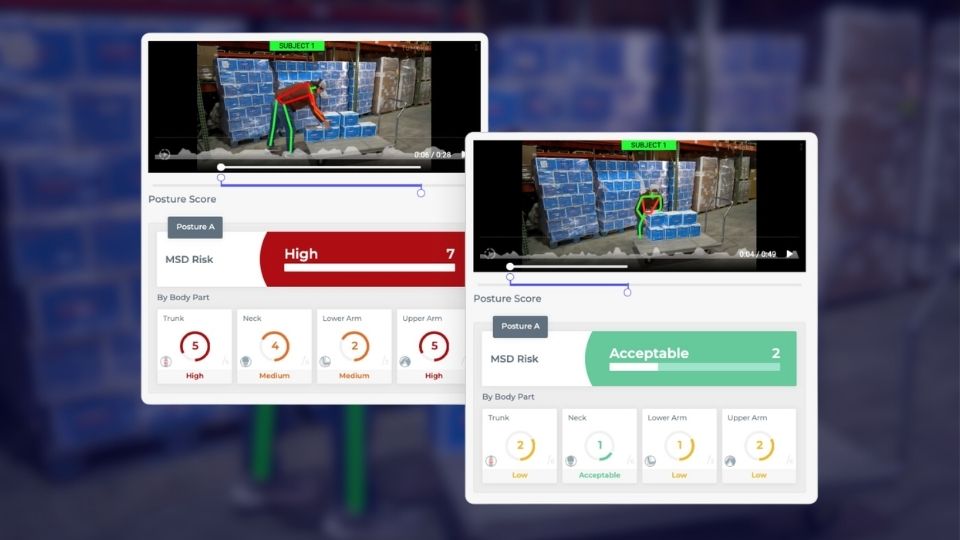
Supongamos que una tarea de paletizado genera un puntaje de riesgo ergonómico alto. Ese resultado confirma que el puesto de revisarse, pero no le indica a la planta si la solución es la técnica de levantamiento, una colocación diferente de los materiales, cajas más ligeras, asistencia mecánica o un cambio en la distribución.
Antes de elegir una respuesta, el equipo debe ir más allá del puntaje e identificar qué la produjo:
El método de evaluación ayuda a responder esas preguntas porque cada uno evalúa diferentes tipos de exposición. REBA, RULA, la Ecuación de Levantamiento Revisada del NIOSH, el Índice de Esfuerzo Revisado y las Ecuaciones de Manejo de Materiales de Liberty Mutual están diseñados para distintos tipos de trabajo. La guía de TuMeke sobre cómo elegir el método de evaluación ergonómica adecuado explica dónde encaja cada método.
El equipo también necesita tener la certeza de que la evaluación original capturó el trabajo que pretende mejorar.
Si la evaluación omitió las cargas más pesadas, periodos de producción más rápidos o partes incómodas del ciclo normal de la tarea, el equipo podría estar eligiendo un control basado en una imagen incompleta.
Una vez que los factores de riesgo y las condiciones del punto de partida están claros, la siguiente pregunta se vuelve más útil:
¿Puede el trabajador cambiar el movimiento de manera realista o es el trabajo mismo el que necesita cambiar?
La capacitación tiene sentido cuando un movimiento más seguro es práctico y el trabajador tiene un control significativo sobre cómo se realiza la tarea. También puede ayudar a los empleados a aprender a utilizar correctamente una nueva herramienta, un ajuste en la estación de trabajo o un control de ingeniería.
Si la tarea ofrece a los trabajadores una forma práctica de mantener una carga cerca, pero la técnica varía, la capacitación puede ser de ayuda.
La clave es que el puesto de trabajo ya le brinde al empleado una oportunidad realista de utilizar el movimiento más seguro.
Si la estación de trabajo obliga a los empleados a estirarse sobre una superficie profunda en cada ciclo, la capacitación no puede cambiar la distancia de alcance.
Esa distinción debe definir la decisión de control. La guía de control de riesgos ergonómicos de la OSHA identifica los controles de ingeniería como el enfoque más deseable siempre que sea posible. Los controles administrativos o de prácticas de trabajo pueden ser apropiados cuando no se pueden implementar cambios de ingeniería o cuando se requieren procedimientos diferentes para respaldar un nuevo control de ingeniería.
Una prueba útil es: ¿pueden los empleados reducir la exposición mientras siguen realizando el trabajo tal como fue diseñado? Si no pueden, el equipo debe analizar el trabajo en sí. Esto podría significar cambiar:
Una vez que se selecciona un control, la pregunta cambia de nuevo. Aunque sea buena idea en teoría, tiene que demostrar que funciona durante la producción.
Los controles ergonómicos suelen tener éxito o fracasar según los detalles de la operación.
Un dispositivo de asistencia para levantamiento puede interferir con el flujo de material. Un contenedor reubicado puede reducir el alcance pero interrumpir la secuencia de trabajo. Una herramienta nueva puede reducir la necesidad de agacharse, pero aumentar la fuerza de agarre. Si los operadores se salen de las condiciones del control cuando la producción se acelera, la mejora nunca se convierte en parte del trabajo.
El NIOSH recomienda probar las intervenciones ergonómicas de forma limitada, modificándolas según sea necesario y considerando la aceptación de los trabajadores antes de una implementación más amplia.
La prueba piloto debe reunir a las personas que comprenden tanto la exposición como el trabajo:
En conjunto, el equipo debe determinar si el control:
La intervención no debe implementarse sin un plan para dar seguimiento.
Alguien debe saber quién reevaluará la tarea, cuándo se realizará el seguimiento y qué evidencia se espera registrar por el equipo antes de poder dar por terminado el hallazgo.
Esto prepara el siguiente paso: comparar el trabajo modificado con la exposición original de una manera que realmente tenga sentido.
Una vez que el control esté implementado y funcionando según lo previsto, la reevaluación puede mostrar si la exposición cambió.
Para que la comparación sea útil, las condiciones que influyeron en el resultado original deben continuar siendo razonablemente similares.
Imagine, por ejemplo, una estación de ensamble donde el punto de partida capturó la producción normal con contenedores de piezas llenos y el ritmo de trabajo habitual. Después de rediseñar la estación de trabajo, el seguimiento se lleva a cabo con un lote pequeño y contenedores parcialmente llenos, además de un ritmo más lento.
El nuevo puntaje podría ser más bajo, pero el equipo no puede decir con seguridad que la diferencia fue por el cambio en la estación de trabajo.
Una comparación de antes y después más sólida mantiene las condiciones de exposición importantes lo más constantes posible. Dependiendo de la tarea, esto podría incluir:
El objetivo no es recrear un experimento de laboratorio. Se trata de limitar la variación no relacionada lo suficiente para que el equipo pueda explicar razonablemente por qué cambió la exposición.
La guía de evaluación de programas ergonómicos del NIOSH también recomienda confirmar que los factores de riesgo originales de trastornos musculoesqueléticos (TME) disminuyeron y que la intervención no creó otros nuevos.
Una reevaluación creíble le da al equipo evidencia para considerar el cierre del hallazgo. El puntaje es parte de esa decisión, pero no debería ser lo único.
“Acción correctiva completada” indica que alguien terminó una tarea asignada. No muestra qué sucedió con la exposición del trabajador.
Antes de dar por terminado un hallazgo ergonómico, confirme tres cosas:
La fuerza, alcance, postura, repetición, duración u otro factor al que se dirigió la intervención deben mostrar una mejora significativa.
Los empleados deben poder utilizar el control de manera constante sin que las condiciones de producción impidan este cambio.
Resolver una parte de la tarea no debería simplemente trasladar el problema a otro lugar.
Estas verificaciones mantienen la decisión de cierre vinculada al trabajo mismo. Los resultados de las evaluaciones de seguimiento, comentarios de los trabajadores y la observación durante la producción normal pueden demostrar si el control está cumpliendo con los objetivos del equipo.
Con el tiempo, medidas más amplias como síntomas, tendencias de lesiones, productividad, calidad y costos pueden ayudar a evaluar el programa de ergonomía en su conjunto. La guía de evaluación del NIOSH incluye este tipo de medidas de antes y después, y señala que algunos beneficios para la salud de los trabajadores pueden tardar en aparecer.
El registro de acciones correctivas más sólido es aquel que muestra qué sucedió con la exposición y por qué el equipo considera que la intervención funcionó.
La parte difícil de la ergonomía rara vez es encontrar una tarea que necesite atención. Lo difícil es abordar ese hallazgo a través de decisiones, cambios y seguimiento necesarios para demostrar que el trabajo realmente mejoró.
La Suite de Riesgos de TuMeke ofrece a los equipos de seguridad un lugar centralizado para analizar la tarea, comprender los factores que contribuyen al riesgo, evaluar los cambios y mantener el proceso de mejora en marcha después de la evaluación inicial.
Los equipos pueden usar la Suite de Riesgos para:
Un programa ergonómico adquiere mayor valor cuando cada evaluación conduce a resultados concretos. TuMeke ayuda a los equipos a llevar el proceso desde la identificación del problema hasta la evaluación del resultado.
Elija una tarea en la que su equipo sepa que existe un riesgo ergonómico pero que le haya costado pasar de la evaluación a una mejoría verificada. Solicite una demostración de TuMeke y utilice ese trabajo real para ver cómo la Suite de Riesgos puede ayudar a su equipo a identificar qué está causando la exposición, comparar cambios y decidir la siguiente acción con mejores pruebas.
No existe un intervalo de reevaluación único que se adapte a todas las intervenciones.
El NIOSH recomienda consultar con los trabajadores aproximadamente una semana después y nuevamente un mes después de la implementación. El momento de la reevaluación formal debe reflejar el control, exposición y si el cambio se ha utilizado el tiempo suficiente en condiciones normales de operación.
No por sí solo.
El seguimiento debe capturar condiciones razonablemente comparables a las del punto de partida. El equipo también debe confirmar que el factor de riesgo original disminuyó y que la intervención no creó otra exposición significativa.
La OSHA, a nivel federal, no establece un calendario universal para las reevaluaciones ergonómicas.
La guía de ergonomía de la OSHA se centra en identificar problemas ergonómicos y aplicar controles que reduzcan la exposición. El seguimiento ayuda a la empresa a determinar si esos controles realmente están funcionando.
%201.svg)


.jpg)

.jpg)

Cuando una evaluación arroja un nivel de riesgo alto, alguien debe decidir si la solución indicada es una capacitación, un cambio en la estación de trabajo, equipo nuevo o alguna otra medida, y luego demostrar que el ajuste realmente redujo la exposición.
Ahí es donde muchos hallazgos ergonómicos se estancan. Este artículo analiza lo que debe ocurrir después de obtener el puntaje, desde identificar qué está causando el riesgo y elegir la respuesta adecuada, hasta probar la intervención, reevaluar la tarea y decidir cuándo se puede dar por concluida la acción.
Supongamos que una tarea de paletizado genera un puntaje de riesgo ergonómico alto. Ese resultado confirma que el puesto de revisarse, pero no le indica a la planta si la solución es la técnica de levantamiento, una colocación diferente de los materiales, cajas más ligeras, asistencia mecánica o un cambio en la distribución.
Antes de elegir una respuesta, el equipo debe ir más allá del puntaje e identificar qué la produjo:
El método de evaluación ayuda a responder esas preguntas porque cada uno evalúa diferentes tipos de exposición. REBA, RULA, la Ecuación de Levantamiento Revisada del NIOSH, el Índice de Esfuerzo Revisado y las Ecuaciones de Manejo de Materiales de Liberty Mutual están diseñados para distintos tipos de trabajo. La guía de TuMeke sobre cómo elegir el método de evaluación ergonómica adecuado explica dónde encaja cada método.
El equipo también necesita tener la certeza de que la evaluación original capturó el trabajo que pretende mejorar.
Si la evaluación omitió las cargas más pesadas, periodos de producción más rápidos o partes incómodas del ciclo normal de la tarea, el equipo podría estar eligiendo un control basado en una imagen incompleta.
Una vez que los factores de riesgo y las condiciones del punto de partida están claros, la siguiente pregunta se vuelve más útil:
¿Puede el trabajador cambiar el movimiento de manera realista o es el trabajo mismo el que necesita cambiar?
La capacitación tiene sentido cuando un movimiento más seguro es práctico y el trabajador tiene un control significativo sobre cómo se realiza la tarea. También puede ayudar a los empleados a aprender a utilizar correctamente una nueva herramienta, un ajuste en la estación de trabajo o un control de ingeniería.
Si la tarea ofrece a los trabajadores una forma práctica de mantener una carga cerca, pero la técnica varía, la capacitación puede ser de ayuda.
La clave es que el puesto de trabajo ya le brinde al empleado una oportunidad realista de utilizar el movimiento más seguro.
Si la estación de trabajo obliga a los empleados a estirarse sobre una superficie profunda en cada ciclo, la capacitación no puede cambiar la distancia de alcance.
Esa distinción debe definir la decisión de control. La guía de control de riesgos ergonómicos de la OSHA identifica los controles de ingeniería como el enfoque más deseable siempre que sea posible. Los controles administrativos o de prácticas de trabajo pueden ser apropiados cuando no se pueden implementar cambios de ingeniería o cuando se requieren procedimientos diferentes para respaldar un nuevo control de ingeniería.
Una prueba útil es: ¿pueden los empleados reducir la exposición mientras siguen realizando el trabajo tal como fue diseñado? Si no pueden, el equipo debe analizar el trabajo en sí. Esto podría significar cambiar:
Una vez que se selecciona un control, la pregunta cambia de nuevo. Aunque sea buena idea en teoría, tiene que demostrar que funciona durante la producción.
Los controles ergonómicos suelen tener éxito o fracasar según los detalles de la operación.
Un dispositivo de asistencia para levantamiento puede interferir con el flujo de material. Un contenedor reubicado puede reducir el alcance pero interrumpir la secuencia de trabajo. Una herramienta nueva puede reducir la necesidad de agacharse, pero aumentar la fuerza de agarre. Si los operadores se salen de las condiciones del control cuando la producción se acelera, la mejora nunca se convierte en parte del trabajo.
El NIOSH recomienda probar las intervenciones ergonómicas de forma limitada, modificándolas según sea necesario y considerando la aceptación de los trabajadores antes de una implementación más amplia.
La prueba piloto debe reunir a las personas que comprenden tanto la exposición como el trabajo:
En conjunto, el equipo debe determinar si el control:
La intervención no debe implementarse sin un plan para dar seguimiento.
Alguien debe saber quién reevaluará la tarea, cuándo se realizará el seguimiento y qué evidencia se espera registrar por el equipo antes de poder dar por terminado el hallazgo.
Esto prepara el siguiente paso: comparar el trabajo modificado con la exposición original de una manera que realmente tenga sentido.
Una vez que el control esté implementado y funcionando según lo previsto, la reevaluación puede mostrar si la exposición cambió.
Para que la comparación sea útil, las condiciones que influyeron en el resultado original deben continuar siendo razonablemente similares.
Imagine, por ejemplo, una estación de ensamble donde el punto de partida capturó la producción normal con contenedores de piezas llenos y el ritmo de trabajo habitual. Después de rediseñar la estación de trabajo, el seguimiento se lleva a cabo con un lote pequeño y contenedores parcialmente llenos, además de un ritmo más lento.
El nuevo puntaje podría ser más bajo, pero el equipo no puede decir con seguridad que la diferencia fue por el cambio en la estación de trabajo.
Una comparación de antes y después más sólida mantiene las condiciones de exposición importantes lo más constantes posible. Dependiendo de la tarea, esto podría incluir:
El objetivo no es recrear un experimento de laboratorio. Se trata de limitar la variación no relacionada lo suficiente para que el equipo pueda explicar razonablemente por qué cambió la exposición.
La guía de evaluación de programas ergonómicos del NIOSH también recomienda confirmar que los factores de riesgo originales de trastornos musculoesqueléticos (TME) disminuyeron y que la intervención no creó otros nuevos.
Una reevaluación creíble le da al equipo evidencia para considerar el cierre del hallazgo. El puntaje es parte de esa decisión, pero no debería ser lo único.
“Acción correctiva completada” indica que alguien terminó una tarea asignada. No muestra qué sucedió con la exposición del trabajador.
Antes de dar por terminado un hallazgo ergonómico, confirme tres cosas:
La fuerza, alcance, postura, repetición, duración u otro factor al que se dirigió la intervención deben mostrar una mejora significativa.
Los empleados deben poder utilizar el control de manera constante sin que las condiciones de producción impidan este cambio.
Resolver una parte de la tarea no debería simplemente trasladar el problema a otro lugar.
Estas verificaciones mantienen la decisión de cierre vinculada al trabajo mismo. Los resultados de las evaluaciones de seguimiento, comentarios de los trabajadores y la observación durante la producción normal pueden demostrar si el control está cumpliendo con los objetivos del equipo.
Con el tiempo, medidas más amplias como síntomas, tendencias de lesiones, productividad, calidad y costos pueden ayudar a evaluar el programa de ergonomía en su conjunto. La guía de evaluación del NIOSH incluye este tipo de medidas de antes y después, y señala que algunos beneficios para la salud de los trabajadores pueden tardar en aparecer.
El registro de acciones correctivas más sólido es aquel que muestra qué sucedió con la exposición y por qué el equipo considera que la intervención funcionó.
La parte difícil de la ergonomía rara vez es encontrar una tarea que necesite atención. Lo difícil es abordar ese hallazgo a través de decisiones, cambios y seguimiento necesarios para demostrar que el trabajo realmente mejoró.
La Suite de Riesgos de TuMeke ofrece a los equipos de seguridad un lugar centralizado para analizar la tarea, comprender los factores que contribuyen al riesgo, evaluar los cambios y mantener el proceso de mejora en marcha después de la evaluación inicial.
Los equipos pueden usar la Suite de Riesgos para:
Un programa ergonómico adquiere mayor valor cuando cada evaluación conduce a resultados concretos. TuMeke ayuda a los equipos a llevar el proceso desde la identificación del problema hasta la evaluación del resultado.
Elija una tarea en la que su equipo sepa que existe un riesgo ergonómico pero que le haya costado pasar de la evaluación a una mejoría verificada. Solicite una demostración de TuMeke y utilice ese trabajo real para ver cómo la Suite de Riesgos puede ayudar a su equipo a identificar qué está causando la exposición, comparar cambios y decidir la siguiente acción con mejores pruebas.
No existe un intervalo de reevaluación único que se adapte a todas las intervenciones.
El NIOSH recomienda consultar con los trabajadores aproximadamente una semana después y nuevamente un mes después de la implementación. El momento de la reevaluación formal debe reflejar el control, exposición y si el cambio se ha utilizado el tiempo suficiente en condiciones normales de operación.
No por sí solo.
El seguimiento debe capturar condiciones razonablemente comparables a las del punto de partida. El equipo también debe confirmar que el factor de riesgo original disminuyó y que la intervención no creó otra exposición significativa.
La OSHA, a nivel federal, no establece un calendario universal para las reevaluaciones ergonómicas.
La guía de ergonomía de la OSHA se centra en identificar problemas ergonómicos y aplicar controles que reduzcan la exposición. El seguimiento ayuda a la empresa a determinar si esos controles realmente están funcionando.
.jpg)