


Prueba gratuita de 14 días
Realice evaluaciones ergonómicas ilimitadas durante dos semanas. Todo lo que necesitas es tu teléfono.

.png)
La tecnología ergonómica puede generar una gran cantidad de datos sobre el movimiento. Sin embargo, los equipos de seguridad tienen la tarea agrega de transformar esos datos en cambios reales en áreas del trabajo.
Si la tarea de un trabajador es identificada porque se inclina repetidamente durante una tarea de empaque, conocer la frecuencia con la que esto ocurre es tan solo el primer paso. El equipo aún necesita entender si la exposición se debe a la altura de la estación de trabajo, la ubicación del material, el ritmo de producción o el diseño de la tarea.
Los dispositivos vestibles pueden ser útiles cuando el objetivo es el monitoreo continuo o la retroalimentación en tiempo real. Sin embargo, usarlos implica algunas cuestiones prácticas sobre la participación de los trabajadores, privacidad, carga de baterías, mantenimiento y uso que se le dará a la información individual.
Para los equipos que buscan rediseñar procesos, priorizar intervenciones y explicar los riesgos a las operaciones, la evaluación ergonómica específica para la tarea sin dispositivos vestibles puede ofrecer un camino más directo. Esto requiere analizar el propósito de cada enfoque, dónde los programas con dispositivos vestibles pueden perder impulso y cómo la evidencia específica para la tarea puede fundamentar mejores decisiones de control.
La tecnología ergonómica solo es útil cuando proporciona al equipo la información necesaria para tomar una decisión. Un sistema podría ser capaz de recopilar datos detallados de movimiento pero aun así dejar a los equipos de seguridad y operaciones sin saber qué deben cambiar.
Los sensores vestibles pueden adaptarse a situaciones que requieren monitoreo continuo, retroalimentación inmediata o patrones de exposición durante un turno. La evaluación específica para la tarea tiene un propósito distinto: ayuda al equipo a identificar dónde aumenta la exposición durante un ciclo de trabajo definido, qué condiciones contribuyen a ello, qué tareas merecen atención prioritaria y si una intervención realmente mejoró la tarea.
Para un equipo que intenta rediseñar una tarea, saber cuántas veces un trabajador superó un límite de movimiento es solo el punto de partida. La evaluación también debe ayudar a explicar qué aspecto del trabajo generó ese movimiento y qué puede hacer la empresa para mejorarlo.
La tecnología que decida elegir también afectará qué trabajadores, turnos y condiciones operativas aparecen en los datos.
Un programa piloto pequeño puede funcionar sin problemas con algunos voluntarios en el turno de día. Pero escalar ese mismo programa a contratistas, trabajadores de temporada, turnos nocturnos, diferentes equipos de protección personal y condiciones de producción cambiantes es un asunto muy diferente. La participación podría volverse inconsistente, dejando a la empresa con datos detallados solo de las personas y tareas que fueron más fáciles de monitorear.
La mera gestión de estos dispositivos podría empeorar ese problema aún más. Los dispositivos vestibles podrían necesitar constantemente de ajustes, asignación, carga de batería, limpieza, reemplazo y verificaciones de compatibilidad con la ropa o el equipo de protección personal (EPP). Cada paso crea un punto adicional donde la participación puede disminuir o una tarea puede omitirse.
Las investigaciones con profesionales de seguridad y salud ocupacional identificaron a la privacidad, el cumplimiento de los trabajadores, la durabilidad de los sensores y las preocupaciones sobre la relación costo-beneficio como barreras para su adopción. Una encuesta independiente a 1,273 adultos empleados reveló una aceptación relativamente sólida para usos relacionados con la seguridad, pero la aceptación aún dependía de la utilidad percibida, la participación de los trabajadores y explicaciones claras sobre cómo se utilizarían los datos.
La evaluación ergonómica sin dispositivos vestibles elimina gran parte de la carga de hardware necesaria para cada trabajador. No elimina la necesidad de un buen muestreo. Los equipos de seguridad aún deben grabar correctamente a los trabajadores, las variaciones de las tareas y condiciones operativas que representan cómo se realiza el trabajo en realidad.
Una vez que el equipo captura el trabajo representativo, la evaluación debe ayudar a conectar la exposición al movimiento con una parte controlable de la tarea.
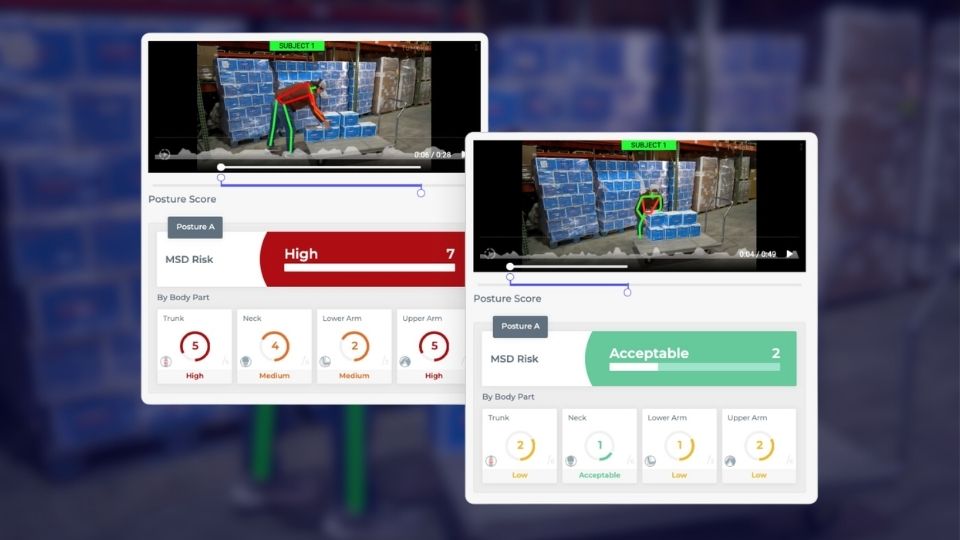
Una alerta de flexión muestra lo que hizo un trabajador. Una evaluación de tareas debería ayudar a explicar por qué el trabajador tuvo que inclinarse. La causa puede ser la altura de la estación de trabajo, posición del material, diseño de la herramienta, ritmo de producción o distribución del proceso.
El NIOSH identifica la fuerza, repetición y postura como factores estresantes físicos fundamentales y señala que el riesgo depende de la intensidad, frecuencia y duración de la exposición. Esos factores se desarrollan a lo largo de la tarea, no en una posición corporal aislada.
Considere a un operador de electrónica que inserta conectores pequeños durante todo un turno. El operador puede mantener una postura relativamente neutral mientras que la repetición, fuerza de agarre, desviación de la muñeca y resistencia a la inserción conforman el riesgo principal. Un resultado centrado en la postura podría pasar por alto la parte de la tarea que realmente necesita atención.
Una evaluación útil y específica para la tarea cumple con un ciclo de mejora bien establecido:
La captura representativa sigue siendo fundamental durante todo el proceso. Un video de la línea de empaque grabado poco después del inicio podría pasar por alto los estiramientos y la fuerza que aparecen cuando las cajas se acumulan o un trabajador se enfrenta a un atasco. La grabación técnicamente se puede utilizar, pero podría no ser representativa de las condiciones que el equipo necesita mejorar.
El área de seguridad puede identificar la exposición, pero el departamento de operaciones suele controlar el equipo, método de producción, soporte de mantenimiento y fondos necesarios para abordarla. La evidencia visual de la tarea brinda a ambos grupos una referencia común para decidir qué debe cambiar y quién debe encargarse del trabajo.
Los equipos de seguridad necesitan más que datos de movimiento. Necesitan una forma práctica de capturar el trabajo real, entender qué está causando la exposición, explicar el problema a operaciones y verificar si un cambio mejoró la tarea.
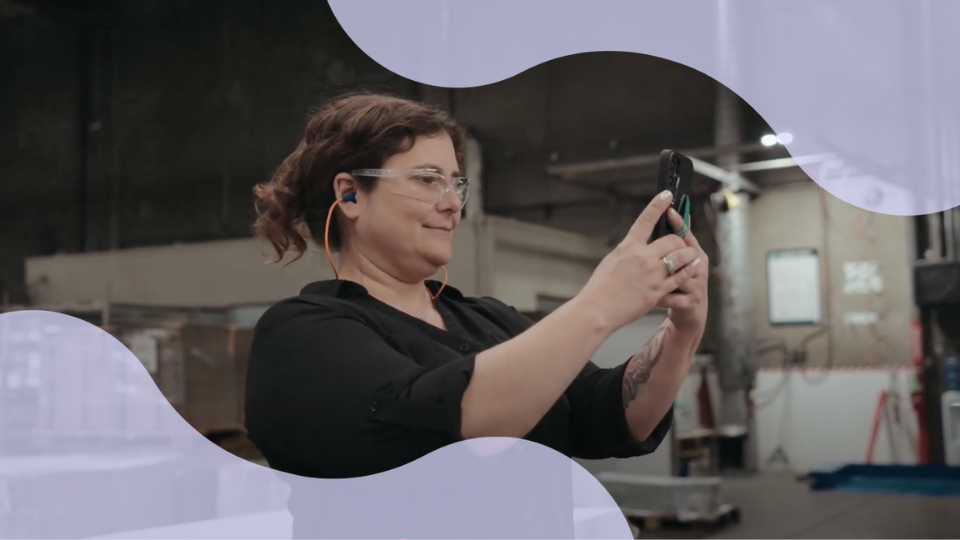
La Suite de Riesgos de TuMeke utiliza análisis de movimiento basado en video para facilitar ese proceso sin que los trabajadores deban usar sensores ni que los equipos gestionen un centenar de dispositivos. Los profesionales de seguridad pueden grabar una tarea con un celular o subir un video existente, y luego usar el análisis para pasar de la observación a una decisión de control más clara.
La Suite de Riesgos ayuda a los equipos a abordar los problemas que pueden impedir que las evaluaciones ergonómicas generen cambios reales:
Solicite una demostración de TuMeke hoy mismo para descubrir cómo la Suite de Riesgos puede ayudarle a su equipo a evaluar el trabajo real, recolectar evidencia más clara para las operaciones y verificar si los cambios ergonómicos realmente disminuyeron la exposición que buscaba abordar.
Un dispositivo vestible puede ser adecuado cuando el equipo necesita alertas continuas, patrones de exposición durante todo el turno, detección de proximidad, información sobre fatiga o monitoreo fisiológico. El video específico para la tarea es más adecuado cuando la decisión se centra en un ciclo de trabajo definido, una estación de trabajo, la configuración de un equipo o una propuesta de control.
No existe una cantidad universal definida. Una tarea altamente consistente podría comenzar con una muestra, pero el equipo debe confirmar que refleje el trabajo normal antes de basarse en ella. El trabajo variable puede requerir varias muestras entre diferentes trabajadores, cargas, turnos o condiciones operativas.
No. El video aún puede identificar a los trabajadores y revelar información sobre su desempeño. Las empresas deben definir el propósito de la grabación, reglas de acceso, período de retención, usos permitidos y proceso de comunicación con los trabajadores antes de recolectar imágenes o video.
La evaluación automatizada puede ampliar la capacidad interna, estandarizar partes del análisis y mejorar la documentación. El juicio calificado sigue siendo importante al momento de seleccionar el método, validar los datos de entrada de la tarea, evaluar trabajos complejos, elegir controles e interpretar los resultados en contexto.
Repita la evaluación utilizando condiciones de tarea equiparables, incluyendo el mismo método, carga, ritmo, ciclo y posibles riesgos de exposición. Compare los mismos factores de riesgo, pregunte a los trabajadores si la tarea revisada refleja la producción normal y confirme que la intervención no trasladó esa exposición a otra parte de la tarea.
%201.svg)



.jpg)

La tecnología ergonómica puede generar una gran cantidad de datos sobre el movimiento. Sin embargo, los equipos de seguridad tienen la tarea agrega de transformar esos datos en cambios reales en áreas del trabajo.
Si la tarea de un trabajador es identificada porque se inclina repetidamente durante una tarea de empaque, conocer la frecuencia con la que esto ocurre es tan solo el primer paso. El equipo aún necesita entender si la exposición se debe a la altura de la estación de trabajo, la ubicación del material, el ritmo de producción o el diseño de la tarea.
Los dispositivos vestibles pueden ser útiles cuando el objetivo es el monitoreo continuo o la retroalimentación en tiempo real. Sin embargo, usarlos implica algunas cuestiones prácticas sobre la participación de los trabajadores, privacidad, carga de baterías, mantenimiento y uso que se le dará a la información individual.
Para los equipos que buscan rediseñar procesos, priorizar intervenciones y explicar los riesgos a las operaciones, la evaluación ergonómica específica para la tarea sin dispositivos vestibles puede ofrecer un camino más directo. Esto requiere analizar el propósito de cada enfoque, dónde los programas con dispositivos vestibles pueden perder impulso y cómo la evidencia específica para la tarea puede fundamentar mejores decisiones de control.
La tecnología ergonómica solo es útil cuando proporciona al equipo la información necesaria para tomar una decisión. Un sistema podría ser capaz de recopilar datos detallados de movimiento pero aun así dejar a los equipos de seguridad y operaciones sin saber qué deben cambiar.
Los sensores vestibles pueden adaptarse a situaciones que requieren monitoreo continuo, retroalimentación inmediata o patrones de exposición durante un turno. La evaluación específica para la tarea tiene un propósito distinto: ayuda al equipo a identificar dónde aumenta la exposición durante un ciclo de trabajo definido, qué condiciones contribuyen a ello, qué tareas merecen atención prioritaria y si una intervención realmente mejoró la tarea.
Para un equipo que intenta rediseñar una tarea, saber cuántas veces un trabajador superó un límite de movimiento es solo el punto de partida. La evaluación también debe ayudar a explicar qué aspecto del trabajo generó ese movimiento y qué puede hacer la empresa para mejorarlo.
La tecnología que decida elegir también afectará qué trabajadores, turnos y condiciones operativas aparecen en los datos.
Un programa piloto pequeño puede funcionar sin problemas con algunos voluntarios en el turno de día. Pero escalar ese mismo programa a contratistas, trabajadores de temporada, turnos nocturnos, diferentes equipos de protección personal y condiciones de producción cambiantes es un asunto muy diferente. La participación podría volverse inconsistente, dejando a la empresa con datos detallados solo de las personas y tareas que fueron más fáciles de monitorear.
La mera gestión de estos dispositivos podría empeorar ese problema aún más. Los dispositivos vestibles podrían necesitar constantemente de ajustes, asignación, carga de batería, limpieza, reemplazo y verificaciones de compatibilidad con la ropa o el equipo de protección personal (EPP). Cada paso crea un punto adicional donde la participación puede disminuir o una tarea puede omitirse.
Las investigaciones con profesionales de seguridad y salud ocupacional identificaron a la privacidad, el cumplimiento de los trabajadores, la durabilidad de los sensores y las preocupaciones sobre la relación costo-beneficio como barreras para su adopción. Una encuesta independiente a 1,273 adultos empleados reveló una aceptación relativamente sólida para usos relacionados con la seguridad, pero la aceptación aún dependía de la utilidad percibida, la participación de los trabajadores y explicaciones claras sobre cómo se utilizarían los datos.
La evaluación ergonómica sin dispositivos vestibles elimina gran parte de la carga de hardware necesaria para cada trabajador. No elimina la necesidad de un buen muestreo. Los equipos de seguridad aún deben grabar correctamente a los trabajadores, las variaciones de las tareas y condiciones operativas que representan cómo se realiza el trabajo en realidad.
Una vez que el equipo captura el trabajo representativo, la evaluación debe ayudar a conectar la exposición al movimiento con una parte controlable de la tarea.
Una alerta de flexión muestra lo que hizo un trabajador. Una evaluación de tareas debería ayudar a explicar por qué el trabajador tuvo que inclinarse. La causa puede ser la altura de la estación de trabajo, posición del material, diseño de la herramienta, ritmo de producción o distribución del proceso.
El NIOSH identifica la fuerza, repetición y postura como factores estresantes físicos fundamentales y señala que el riesgo depende de la intensidad, frecuencia y duración de la exposición. Esos factores se desarrollan a lo largo de la tarea, no en una posición corporal aislada.
Considere a un operador de electrónica que inserta conectores pequeños durante todo un turno. El operador puede mantener una postura relativamente neutral mientras que la repetición, fuerza de agarre, desviación de la muñeca y resistencia a la inserción conforman el riesgo principal. Un resultado centrado en la postura podría pasar por alto la parte de la tarea que realmente necesita atención.
Una evaluación útil y específica para la tarea cumple con un ciclo de mejora bien establecido:
La captura representativa sigue siendo fundamental durante todo el proceso. Un video de la línea de empaque grabado poco después del inicio podría pasar por alto los estiramientos y la fuerza que aparecen cuando las cajas se acumulan o un trabajador se enfrenta a un atasco. La grabación técnicamente se puede utilizar, pero podría no ser representativa de las condiciones que el equipo necesita mejorar.
El área de seguridad puede identificar la exposición, pero el departamento de operaciones suele controlar el equipo, método de producción, soporte de mantenimiento y fondos necesarios para abordarla. La evidencia visual de la tarea brinda a ambos grupos una referencia común para decidir qué debe cambiar y quién debe encargarse del trabajo.
Los equipos de seguridad necesitan más que datos de movimiento. Necesitan una forma práctica de capturar el trabajo real, entender qué está causando la exposición, explicar el problema a operaciones y verificar si un cambio mejoró la tarea.
La Suite de Riesgos de TuMeke utiliza análisis de movimiento basado en video para facilitar ese proceso sin que los trabajadores deban usar sensores ni que los equipos gestionen un centenar de dispositivos. Los profesionales de seguridad pueden grabar una tarea con un celular o subir un video existente, y luego usar el análisis para pasar de la observación a una decisión de control más clara.
La Suite de Riesgos ayuda a los equipos a abordar los problemas que pueden impedir que las evaluaciones ergonómicas generen cambios reales:
Solicite una demostración de TuMeke hoy mismo para descubrir cómo la Suite de Riesgos puede ayudarle a su equipo a evaluar el trabajo real, recolectar evidencia más clara para las operaciones y verificar si los cambios ergonómicos realmente disminuyeron la exposición que buscaba abordar.
Un dispositivo vestible puede ser adecuado cuando el equipo necesita alertas continuas, patrones de exposición durante todo el turno, detección de proximidad, información sobre fatiga o monitoreo fisiológico. El video específico para la tarea es más adecuado cuando la decisión se centra en un ciclo de trabajo definido, una estación de trabajo, la configuración de un equipo o una propuesta de control.
No existe una cantidad universal definida. Una tarea altamente consistente podría comenzar con una muestra, pero el equipo debe confirmar que refleje el trabajo normal antes de basarse en ella. El trabajo variable puede requerir varias muestras entre diferentes trabajadores, cargas, turnos o condiciones operativas.
No. El video aún puede identificar a los trabajadores y revelar información sobre su desempeño. Las empresas deben definir el propósito de la grabación, reglas de acceso, período de retención, usos permitidos y proceso de comunicación con los trabajadores antes de recolectar imágenes o video.
La evaluación automatizada puede ampliar la capacidad interna, estandarizar partes del análisis y mejorar la documentación. El juicio calificado sigue siendo importante al momento de seleccionar el método, validar los datos de entrada de la tarea, evaluar trabajos complejos, elegir controles e interpretar los resultados en contexto.
Repita la evaluación utilizando condiciones de tarea equiparables, incluyendo el mismo método, carga, ritmo, ciclo y posibles riesgos de exposición. Compare los mismos factores de riesgo, pregunte a los trabajadores si la tarea revisada refleja la producción normal y confirme que la intervención no trasladó esa exposición a otra parte de la tarea.